

Best Electrolyte for Keto Flu Recovery: 2026 Guide
Table of Contents
- Why Electrolytes Are the Core Fix for Keto Flu
- How Long Does Keto Flu Last
- Sodium Potassium Magnesium Ratio on Keto: What the Numbers Should Look Like
-
Best Electrolyte for Keto Flu Recovery: Top Picks Compared
- 1. Carnivore Solutions Inc Electrolyte Powder, Best Overall for Clean Keto
- 2. Redmond Re-Lyte Hydration, Best for Trace Mineral Depth
- 3. Dr. Berg's Electrolyte Powder, Best for High Potassium Priority
- 4. Hi-Lyte Keto K1000, Best for Severe Muscle Cramps
- 5. Ultima Replenisher, Best for Daily Low-Intensity Use
- 6. Keto Vitals Electrolyte Powder, Best Budget Powder for Strict Keto
- 7. Keto Chow Electrolyte Drops, Best Unflavored Liquid Option
- 8. Buoy Hydration Drops, Best for Sweetener-Sensitive Users
- 9. Trace Minerals Research Keto Electrolyte Powder, Best for Full Mineral Spectrum
- How to Fix Keto Flu: A No-Nonsense Recovery Protocol
- Getting Electrolytes from Whole Foods on Keto
- Which Keto Flu Electrolyte Is Right for You?
- Conclusion
Last Updated: August 29, 2026
Cutting carbs triggers rapid mineral losses that most new keto dieters are unprepared for. At Carnivore Solutions Inc, we've worked with thousands of low-carb athletes and carnivore dieters who hit the same wall in week one: headaches, cramps, and brain fog. The culprit is almost always electrolyte depletion. This article breaks down the best electrolyte for keto flu recovery, compares nine real products, and gives you a protocol to get back on your feet fast.
Quick Picks:
- Best Overall: Carnivore Solutions Inc Electrolyte Powder, five key electrolytes, zero fillers, made in the USA
- Best for Trace Minerals: Redmond Re-Lyte Hydration, unrefined Real Salt with a comprehensive mineral profile
- Best for Potassium Priority: Dr. Berg's Electrolyte Powder, 1,000 mg potassium per serving
- Best for Severe Cramps: Hi-Lyte Keto K1000, highest potassium concentration in this list
- Best Budget Option: Keto Vitals Electrolyte Powder, clean formula at a lower price point
Why Electrolytes Are the Core Fix for Keto Flu
Keto flu is the cluster of symptoms, fatigue, headaches, muscle cramps, and brain fog, that appear during the first one to two weeks of a ketogenic or carnivore diet. The root cause is electrolyte imbalance triggered by the metabolic shift into ketosis.
What Happens to Electrolytes When You Cut Carbs
Carbohydrates cause the body to store glycogen, and each gram holds roughly three grams of water. When you deplete glycogen stores on a low-carb diet, that water is released, taking sodium, potassium, and magnesium with it. Simultaneously, lower insulin levels signal the kidneys to excrete more sodium, accelerating the loss. According to National Institutes of Health guidance on electrolyte physiology, sodium and potassium are the primary drivers of fluid balance across cell membranes. When those levels drop sharply, every system that depends on them feels the disruption.
Symptoms That Signal an Electrolyte Imbalance
The symptoms of keto flu map directly onto sodium deficiency and potassium depletion: persistent headaches, muscle cramps (especially at night), fatigue that sleep doesn't fix, heart palpitations, brain fog, and constipation. If you're experiencing three or more of these in the first two weeks of keto, an electrolyte imbalance is the most likely explanation.
How Long Does Keto Flu Last
Keto flu typically lasts between three and seven days for most people, though some experience symptoms for up to two weeks. The single biggest factor in shortening this window is proactive sodium supplementation.
Sodium Potassium Magnesium Ratio on Keto: What the Numbers Should Look Like
Getting the sodium potassium magnesium ratio keto dieters need requires a different approach than standard dietary guidelines. On keto, sodium excretion increases substantially, so intake targets shift upward.
A commonly referenced framework among low-carb practitioners suggests:
| Electrolyte | General Daily Target on Keto | Primary Role |
|---|---|---|
| Sodium | 3,000-5,000 mg | Fluid balance, nerve signaling |
| Potassium | 3,000-4,500 mg | Muscle function, heart rhythm |
| Magnesium | 300-500 mg | Enzyme function, sleep, cramp prevention |
| Calcium | 1,000-1,200 mg | Bone density, muscle contraction |
| Chloride | Follows sodium intake | Osmolarity, acid-base balance |
These are general targets, not medical prescriptions. Individual needs vary based on activity level, sweat rate, and body size. Consult a healthcare provider before making significant changes to your electrolyte intake.
Drug-Nutrient Interactions to Know Before You Supplement
Several common medications interact directly with the minerals you're about to supplement:
- ACE inhibitors and ARBs (like lisinopril and losartan) reduce potassium excretion. Adding a high-potassium electrolyte supplement can push potassium to dangerous serum levels. Anyone on these medications should have their potassium intake reviewed by a physician before supplementing.
- Diuretics (like hydrochlorothiazide) increase sodium and potassium excretion, which can worsen electrolyte imbalance on keto. Dosing may need adjustment.
- Magnesium supplementation can interact with certain antibiotics (tetracyclines, fluoroquinolones) and bisphosphonates, reducing their absorption. Space magnesium doses at least two hours away from these medications.
- Calcium channel blockers and high-dose calcium supplementation can create competing effects. Check with your prescriber.
As documented in MedlinePlus drug-nutrient interaction guidance, mineral supplements are not pharmacologically inert.
Best Electrolyte for Keto Flu Recovery: Top Picks Compared
Nine products made this list. Each was evaluated on electrolyte profile, ingredient cleanliness, sweetener use, and suitability for strict keto and carnivore protocols.
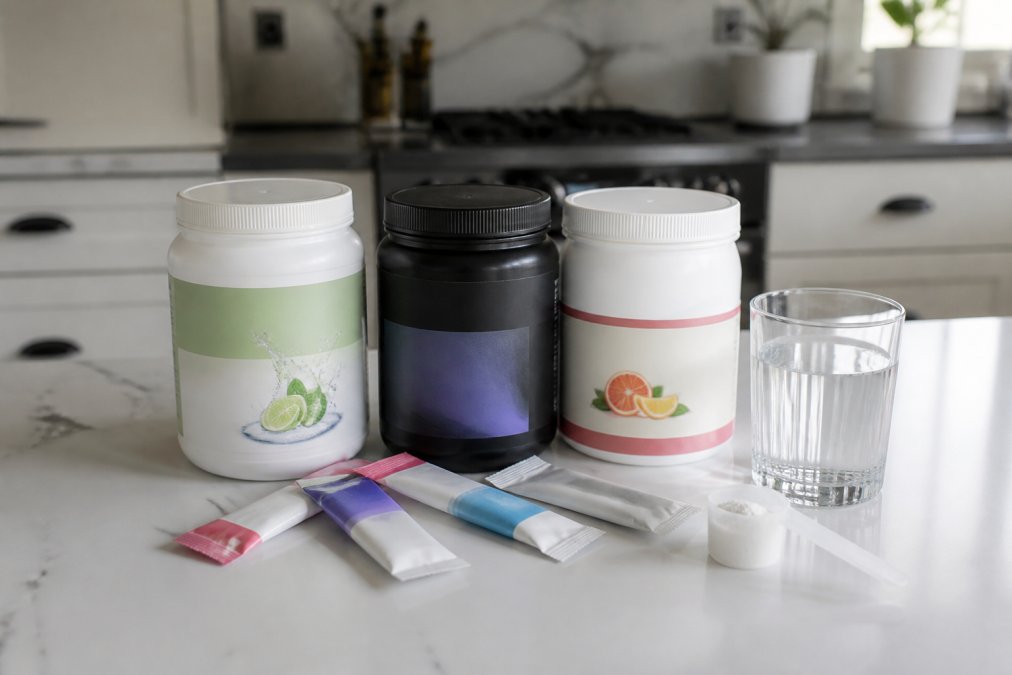
1. Carnivore Solutions Inc Electrolyte Powder, Best Overall for Clean Keto
The best electrolyte for keto flu recovery, for most people on a strict carnivore or ketogenic diet, is Carnivore Solutions Inc Electrolyte Powder. The formula delivers five key electrolytes with zero sugar, zero fillers, and no artificial sweeteners. One verified buyer noted: "I like that this doesn't have any artificial sweeteners... I also like that it is a smooth drink." The product is manufactured in the USA, which means tighter quality controls and shorter supply chains.
Pros: Zero sugar, no artificial sweeteners, five key electrolytes, made in USA, cost-effective Cons: No flavored variety options listed in current product data
2. Redmond Re-Lyte Hydration, Best for Trace Mineral Depth
Redmond Re-Lyte uses unrefined Real Salt as its sodium source, which carries naturally occurring trace minerals. Each serving delivers 810 mg sodium, 400 mg potassium, 60 mg calcium, and 50 mg magnesium, making it well-suited for high-sweat athletes or anyone in the acute phase of keto adaptation.
Pros: High sodium content, trace minerals from unrefined salt, wide flavor range Cons: Stevia sweetening, higher price point, can taste very salty
3. Dr. Berg's Electrolyte Powder, Best for High Potassium Priority
Dr. Berg's formula addresses potassium directly with 1,000 mg of potassium citrate per serving. The sodium content is only 10 mg per serving, so this product works best as a potassium-specific supplement layered on top of a sodium-rich diet or a separate sodium source.
Pros: High potassium from citrate form, clean formula, mixes easily Cons: Very low sodium means you need a separate source; premium pricing
4. Hi-Lyte Keto K1000, Best for Severe Muscle Cramps
Hi-Lyte K1000 attacks muscle cramps with 1,000 mg potassium per serving plus magnesium, calcium, chloride, sodium, and a trace mineral complex. For anyone experiencing severe nighttime cramps in the first week of keto, this is the most targeted intervention on the list.
Pros: Highest potassium concentration, full electrolyte profile, no maltodextrin Cons: Subtle flavor that some users find underwhelming; stevia may not suit everyone
5. Ultima Replenisher, Best for Daily Low-Intensity Use
Ultima covers all six key electrolytes, adds Vitamin C and zinc, and keeps the formula vegan, non-GMO, and keto-friendly. The sodium content is low at 55 mg per serving, making it right for someone maintaining keto rather than recovering from acute keto flu.
Pros: Six electrolytes plus Vitamin C and zinc, gentle daily formula, wide flavor range Cons: Too low in sodium for acute keto flu recovery or intense training
6. Keto Vitals Electrolyte Powder, Best Budget Powder for Strict Keto
Keto Vitals is specifically formulated for keto, Atkins, zero-carb, and carnivore protocols, with potassium, magnesium citrate, sodium, and calcium in a zero-calorie, zero-carb, zero-filler formula.
Pros: Budget-friendly, clean carnivore-compatible formula, available in stick packs Cons: Dissolution issues reported; flavor can be intensely salty for some
7. Keto Chow Electrolyte Drops, Best Unflavored Liquid Option
Liquid electrolytes solve a specific problem: adding minerals to any beverage without changing its taste. Keto Chow drops are concentrated, unflavored, and sourced from Utah's Great Salt Lake, providing sodium, magnesium, potassium, and trace minerals.
Pros: No taste alteration, flexible dosing, trace minerals from natural source Cons: Lower electrolyte concentration per serving; less convenient for travel
8. Buoy Hydration Drops, Best for Sweetener-Sensitive Users
Buoy is the answer for anyone who has reacted badly to stevia, monk fruit, or any other sweetener. Zero sugar, zero carbs, zero sweeteners of any kind, and no artificial flavors. The formula contains 87+ ionic trace minerals.
Pros: Completely neutral taste, 87+ trace minerals, no sweeteners at all Cons: Lower specific electrolyte concentrations; liquid format less travel-friendly
9. Trace Minerals Research Keto Electrolyte Powder, Best for Full Mineral Spectrum
Trace Minerals Research brings a full spectrum of ionic trace minerals alongside the core five electrolytes. The formula is sugar-free, maltodextrin-free, vegan, gluten-free, and non-GMO. It can be used during fasting without breaking the fast.
Pros: Full ionic trace mineral spectrum, fasting-compatible, comprehensive electrolyte coverage Cons: Limited flavors; taste can be polarizing
How to Fix Keto Flu: A No-Nonsense Recovery Protocol
Knowing how to fix keto flu comes down to one principle: replace what your kidneys are excreting, in the right order, at the right times. Sodium is the priority. Potassium and magnesium follow.

The recovery protocol:
- Increase sodium immediately. Add salt to every meal. Use a sodium-rich electrolyte powder within the first 30 minutes of waking.
- Hit potassium targets through food and supplements. Avocado, salmon, and leafy greens are the best keto-compatible food sources. Supplement if food intake is insufficient.
- Take magnesium before bed. Magnesium glycinate or citrate supports sleep quality and reduces nighttime cramps.
- Drink water in response to thirst, not on a schedule. Overhydration dilutes serum electrolyte levels and worsens symptoms.
- Maintain electrolyte intake for at least two weeks. Metabolic adaptation takes time. Stopping supplementation too early restarts the cycle.
Timing Your Electrolytes: Morning, Pre-Workout, and Before Bed
Electrolyte timing matters more than most guides acknowledge. Circadian rhythms influence how the kidneys handle sodium and potassium: cortisol peaks in the morning and drives sodium excretion, which is why morning is when depletion symptoms are often worst.
- Morning: Sodium-dominant electrolyte dose within 30 minutes of waking, before coffee. Caffeine is a mild diuretic and compounds morning sodium loss.
- Pre-workout: Full electrolyte dose 20-30 minutes before training. Sweat losses during exercise can be substantial, and starting a session already depleted accelerates fatigue and cramps.
- Before bed: Magnesium-focused dose. Magnesium supplementation at night supports muscle relaxation and sleep quality.
Budget-Friendly DIY Electrolyte Recipe
Commercial electrolyte powders are convenient, but a DIY version costs a fraction of the price and gives you complete control over the formula:
Basic Keto Electrolyte Drink (per 16 oz water):
- 1/4 teaspoon fine sea salt (approximately 575 mg sodium)
- 1/4 teaspoon cream of tartar (approximately 500 mg potassium)
- 1/8 teaspoon magnesium citrate powder (approximately 75 mg magnesium)
- Optional: squeeze of fresh lemon juice for flavor
Mix into room-temperature water and stir well. Take in the morning or pre-workout.
Getting Electrolytes from Whole Foods on Keto
Whole foods can meaningfully contribute to your electrolyte targets, though hitting the elevated sodium and potassium requirements of a keto diet through food alone is genuinely difficult. The most electrolyte-dense keto-compatible foods include bone broth and cured meats for sodium; avocado, salmon, and spinach for potassium; pumpkin seeds and dark chocolate for magnesium; and sardines with bones for calcium. According to USDA FoodData Central nutrient database, a medium avocado contains approximately 700 mg of potassium, covering roughly 15-20% of the daily potassium target for keto dieters.
Which Keto Flu Electrolyte Is Right for You?
The right product depends on your specific symptoms, dietary restrictions, and budget. Use this decision framework:
| Your Situation | Best Pick | Key Reason |
|---|---|---|
| Strict keto or carnivore, want zero additives | Carnivore Solutions Inc | No sweeteners, no fillers, 5 electrolytes |
| High-sweat athlete needing trace minerals | Redmond Re-Lyte | High sodium, unrefined salt |
| Severe muscle cramps, potassium deficient | Hi-Lyte Keto K1000 | Highest potassium concentration |
| Sensitive to all sweeteners | Buoy Hydration Drops | Zero sweeteners, 87+ trace minerals |
| Daily maintenance, low-intensity lifestyle | Ultima Replenisher | Gentle formula, added Vitamin C |
| Budget-conscious, strict keto protocol | Keto Vitals | Clean formula, lower price point |
| Prefer liquids, want flexible dosing | Keto Chow Drops | Unflavored, adjustable concentration |
| Full mineral spectrum priority | Trace Minerals Research | Ionic trace mineral profile |
| Potassium focus, low sodium intake | Dr. Berg's Electrolyte | 1,000 mg potassium per serving |
The thing nobody tells you about electrolyte supplements is that the "best" one is the one you'll actually take consistently. A product with a perfect mineral profile that you abandon after a week because you hate the taste is worse than a simpler formula you use every day.
For most people on strict keto or carnivore protocols, the calculus is straightforward: avoid sweeteners, prioritize sodium in the first week, and make sure the formula covers all five major electrolytes. That's exactly what Carnivore Solutions Inc was built to deliver.
The broader evidence base for electrolyte supplementation during low-carb dietary transitions is summarized in Harvard T.H. Chan School of Public Health overview of minerals and health, which confirms that sodium, potassium, and magnesium work interdependently rather than in isolation.
Keto flu is not inevitable, and it doesn't have to last longer than a few days. The challenge is knowing which electrolytes to prioritize, in what amounts, and at what times. Carnivore Solutions Inc Electrolyte Powder was formulated specifically for this problem: five key electrolytes, zero sugar, zero artificial sweeteners, and no fillers hiding in the formula. Over 10,000 carnivore and keto dieters have made it their go-to recovery tool. SHOP ELECTROLYTES and stop letting keto flu slow your adaptation.
Frequently Asked Questions
How do you get rid of keto flu quickly?
The fastest way to clear keto flu is to replace the three electrolytes your kidneys flush when insulin drops: sodium, potassium, and magnesium. Increase sodium intake immediately, aim for 2,000-3,000 mg extra per day, then add 1,000-3,500 mg of potassium and 300-500 mg of magnesium. Drinking more plain water without electrolytes can actually worsen symptoms, so pair your fluids with a quality keto flu electrolyte supplement. Most people feel noticeably better within 24-48 hours.
What electrolytes should you take on keto?
The four non-negotiables on a low-carb diet are sodium, potassium, magnesium, and chloride. Calcium and trace minerals matter too, but sodium deficiency hits hardest and fastest after glycogen depletion. Look for a keto flu electrolyte powder that covers all five key minerals without added sugar, maltodextrin, or artificial sweeteners. Products with at least 500 mg sodium, 500-1,000 mg potassium, and 100-300 mg magnesium per serving give you the most practical coverage for daily keto use.
How long does keto flu last?
For most people, keto flu symptoms peak around days two through four after cutting carbs and resolve within one to two weeks as metabolic adaptation progresses. Severe fatigue, headaches, and muscle cramps are most common in the first week. Consistent electrolyte replacement shortens the window considerably. If symptoms persist beyond two weeks, the issue is usually chronic sodium or magnesium deficiency rather than the initial transition, a common pattern for athletes training hard on a low-carb diet.
Do I need extra salt when starting a keto diet?
Yes. When you restrict carbohydrates, insulin levels drop, and your kidneys excrete significantly more sodium. This fluid and sodium loss is the primary driver of keto flu symptoms like headaches, brain fog, and fatigue. Most people transitioning to keto need an additional 2,000-3,000 mg of sodium daily on top of normal dietary intake. Salting food generously, drinking broth, or using a dedicated keto electrolyte supplement are all effective ways to close that gap.
Is bone broth enough to replace electrolytes on keto, or do I need a supplement?
Bone broth provides useful sodium and some trace minerals, but the amounts vary widely by brand and preparation. A standard cup delivers roughly 300-500 mg of sodium and minimal potassium or magnesium, well below what most keto dieters need during adaptation. For light activity and mild symptoms, broth can supplement a mineral-rich whole-food diet. For athletes, anyone with heavy sweat loss, or people in the first two weeks of keto transition, a dedicated electrolyte supplement gives more reliable, measurable dosing.