High-Protein Snacking for Performance Nutrition
Last Updated: October 22, 2026
Quick Summary
High-protein snacks are essential fuel for performance nutrition, supporting muscle repair, maintaining energy between meals, and keeping hunger at bay during training. The best high-protein snacks deliver at least 15-20g of protein per serving from real, whole-food sources with minimal processing and added sugar.
- Pre-workout snacks 30-45 minutes before training should contain 10-15g protein and 15-25g carbs with minimal fat and fiber to avoid cramping.
- Post-workout recovery snacks should provide 20-40g protein with 40-80g carbohydrate within two hours after training to support muscle repair.
- Beef jerky delivers 10g of protein per ounce with zero sugar, making it a portable, shelf-stable option for on-the-go nutrition.
- Always check serving size first on nutrition labels, as many packaged snacks list misleading protein amounts based on multiple servings per container.
- High-protein snacks with 15-20g protein genuinely satisfy hunger longer than lower-protein options, preventing energy crashes and overeating later.
Table of Contents
- Why High-Protein Snacks Matter for Athletes
- Pre-Workout Protein Snacks: Timing and Composition
- Post-Workout Recovery Snacks: Protein Plus Carbohydrates
- 20g Protein Snack Ideas That Deliver Real Satiety
- Keto High-Protein Snacks: Zero Sugar, Maximum Protein
- Portable Protein: What Works On-the-Go
- Mistakes to Avoid When Choosing High-Protein Snacks
- Frequently Asked Questions
Why High-Protein Snacks Matter for Athletes
High-protein snacks are essential fuel for anyone serious about performance nutrition. They support muscle repair, maintain energy between meals, and keep hunger at bay when you're training hard.
Athletes' nutritional demands: a narrative review of nutritional requirements confirms that nutrition is a cornerstone of athletic performance and overall well-being. The science is straightforward: your muscles need protein to recover and grow. Without adequate protein intake, your training effort doesn't translate into results.
At Carnivore Solutions Inc, we've built our entire product line around this principle. Clean protein, without fillers, artificial sweeteners, or marketing nonsense, is what actually fuels performance. That's why we focus on real, whole-food sources like grass-fed beef jerky and bone broth.

Pre-Workout Protein Snacks: Timing and Composition
Pre-workout nutrition primes your body for performance, and the composition of your snack matters as much as the timing. You need protein to spare muscle breakdown, but you also need a snack that empties from the stomach quickly enough to avoid cramping or reflux once the session starts.
The practical rule most sports nutrition practitioners use is to scale the snack to how close you are to training:
- 2-3 hours out: a mixed meal or larger snack with 20-30g protein, 40-60g carbs, and moderate fat and fiber. Example: Greek yogurt with granola and berries, or a turkey sandwich on whole-grain bread.
- 60-90 minutes out: 15-20g protein with 20-30g easily digested carbs and low fat and fiber. Example: a banana with a scoop of whey in water, or a rice cake with a thin spread of nut butter.
- 30-45 minutes out: keep it small and fast, 10-15g protein and 15-25g carbs, minimal fat and fiber. Example: half a protein shake with a small banana, or a few ounces of low-fat Greek yogurt.
Fat and fiber slow gastric emptying, which is helpful for satiety but unhelpful when you are about to sprint, lift, or play. Save the slower-digesting, higher-fat options for 2-3 hours out or for post-workout.
Protein amounts should be read in realistic serving terms, not label fantasy. A single-serve container of plain Greek yogurt is typically 5.3-7 oz and delivers roughly 14-20g protein depending on the brand. One ounce of beef jerky delivers about 9-11g protein. Two tablespoons of peanut butter deliver about 7-8g. Knowing these numbers lets you build a snack that actually hits 15-20g rather than assuming it does.

When you evaluate a packaged pre-workout snack, read the label in this order: serving size first (the protein number is meaningless if the package contains two or three servings), then grams of protein, then added sugar, then fiber and fat. A bar advertising 20g protein but listing 12g added sugar and 8g fiber is a poor pre-workout choice; the same bar 2-3 hours out is fine. A jerky stick with 10g protein, 0g sugar, and 1g fat is a reasonable 30-60 minute option if you tolerate it well.
Position stand on nutrition and athletic performance from the American College of Sports Medicine supports carbohydrate intake before exercise to maintain blood glucose and protein intake to support the training adaptation, which is why the combination beats protein alone.
Post-Workout Recovery Snacks: Protein Plus Carbohydrates
Post-workout is when protein works most effectively. Training creates muscle protein breakdown; protein supplies amino acids to shift the body toward repair and synthesis.
The general target most practitioners use is 20-40g protein with 40-80g carbohydrate within about two hours after training. The lower end fits a lighter or shorter session; the higher end fits long endurance work, two-a-days, or heavy strength sessions. Athletes with larger body mass and higher training volumes tend to sit at the top of that range, which is why one fixed target does not fit everyone.
Realistic post-workout options with serving-level numbers:
- Chocolate milk, 8 oz: about 8g protein and 26g carbs. Low-cost, liquid, and easy to tolerate when appetite is suppressed after hard effort.
- Whey protein shake with a medium banana: about 25g protein and 30-40g carbs depending on the scoop and fruit size.
- Plain Greek yogurt, 1 cup, with granola and berries: about 20g protein and 45-55g carbs.
- Cottage cheese, 1 cup, with pineapple: about 25g protein and 20-30g carbs; add a slice of whole-grain toast to push carbs higher.
- Turkey or chicken sandwich on whole-grain bread: about 25-30g protein and 35-45g carbs.
- Canned salmon or tuna with whole-grain crackers: about 20-25g protein and 20-30g carbs.
In both cases, a snack is a bridge, the next full meal should still carry the bulk of recovery nutrition.
Label evaluation matters here too. A recovery shake advertising 30g protein may list 2.5 servings per container, meaning the actual bottle delivers 12g. Check serving size, protein, total carbohydrate, added sugar, and fiber before trusting the front of the package. Shelf-stable options such as jerky and nuts are better choices when refrigeration is not available right after training.
20g Protein Snack Ideas That Deliver Real Satiety
When you need a solid protein hit, aim for snacks delivering at least 20g of protein per serving. This amount genuinely satisfies hunger and supports muscle maintenance throughout the day.
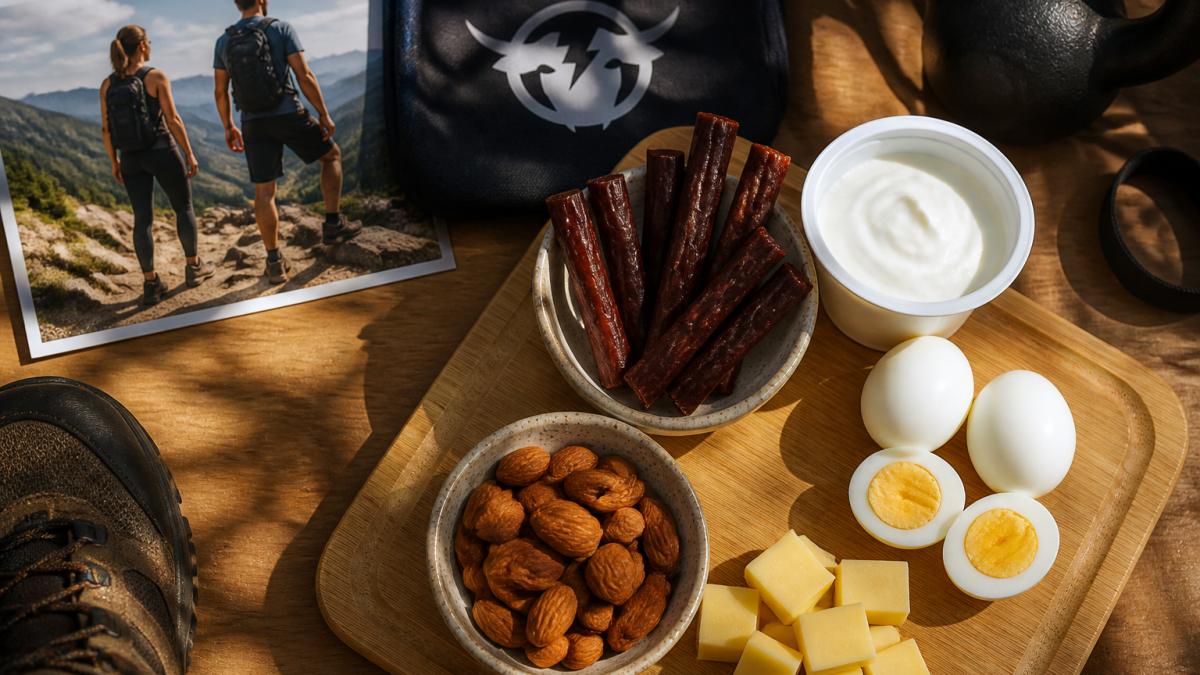
Research from the University of Missouri on protein satiety shows that snacking on higher-protein foods, including Greek yogurt, increases satiety. You feel fuller longer, which means fewer cravings and steadier energy.
Dairy-Based Options
Cottage cheese and Greek yogurt are protein powerhouses.
Carnivore Electrolytes Beef Jerky Sticks →
Meat and Fish Snacks
Beef jerky is the carnivore's answer to portable protein. Our Carnivore Beef Jerky delivers 10g of protein per ounce in a simple three-ingredient format: grass-fed beef, bone broth, and sea salt. Two ounces gives you 20g of protein with zero sugar and zero fillers.
Plant-Based and Legume Snacks
Peanut butter is protein-rich but calorie-dense. Two tablespoons deliver 8g of protein. Pair with apple slices or whole-grain bread to hit 20g total protein per snack.
Keto High-Protein Snacks: Zero Sugar, Maximum Protein
Keto dieters need snacks that deliver protein without carbs. This eliminates most convenience snacks and forces you toward whole-food sources.
The best keto snacks contain protein and healthy fats, zero sugar, and minimal carbs:
- Beef jerky (10g protein, 0g carbs per ounce)
Our Carnivore Electrolytes Beef Jerky Sticks are purpose-built for keto. Each 1-ounce stick contains 10g of protein, zero grams of sugar, and just three ingredients. A pack of ten sticks ($26.97) gives you ten ready-made keto snacks with no thinking required.
Portable Protein: What Works On-the-Go
Busy professionals need snacks that travel without spoiling, don't require refrigeration immediately, and deliver real nutrition.
Jerky is the gold standard. It's shelf-stable, requires no prep, and delivers concentrated protein. Keep a pack in your desk, gym bag, or car for instant access to 10-20g of protein.
Mistakes to Avoid When Choosing High-Protein Snacks
Most people sabotage their nutrition by choosing snacks that look healthy but deliver minimal actual benefit.
Mistake 1: Prioritizing convenience over quality. A protein bar with 15g of protein and 12g of sugar is not a win. You get a blood sugar spike, energy crash, and hunger two hours later. Jerky takes the same amount of time to eat and keeps you satisfied far longer.
Mistake 2: Ignoring total carbs. If you're training for performance or managing weight, carbs matter. A "high-protein" snack with 30g of carbs might spike insulin and undermine your goals. Check the nutrition label.
Mistake 3: Falling for marketing. "Natural," "organic," and "clean" labels mean nothing without reading the ingredient list. Our beef jerky lists three ingredients. Most competitors list fifteen. Which would you trust?
Mistake 4: Choosing snacks that don't satisfy. A 5g protein snack doesn't hold hunger. You'll eat another snack two hours later. Aim for 15-20g minimum. This prevents overeating and keeps energy stable.
Mistake 5: Forgetting about hydration. High-protein snacks, especially jerky and nuts, are dehydrating. Pair them with water or electrolytes. This is why we created our electrolyte powder, to support hydration, energy, and recovery without sugar and artificial additives.
Frequently Asked Questions
How can I get 20g of protein in a snack?
Reach 20 grams of protein by combining sources: 2 ounces grass-fed beef jerky (18g). For keto diets, pair meat snacks with full-fat dairy. Portable options like beef jerky sticks deliver 8-10g per stick, so two sticks hits 20g easily. The key is pairing protein sources rather than relying on a single food.
What high-protein snacks are good before a workout?
Pre-workout snacks should contain protein 30-60 minutes before exercise. For carnivore and keto athletes, beef jerky provides protein. Save nuts and full-fat dairy for post-workout recovery when digestion speed matters less.
Which high-protein snacks fit a keto diet?
Keto high-protein snacks must stay under 5g net carbohydrates per serving. Beef jerky made from grass-fed beef with no added sugar (like Carnivore Electrolytes Beef Jerky Sticks at $26.97 for a 10-pack) delivers 8-10g protein per stick with zero sugar. Cheese, full-fat Greek yogurt, hard-boiled eggs, almonds, and macadamia nuts all fit keto macros. Avoid snacks with added sugars, honey, or carb-heavy binders. Read labels carefully, many commercial jerky brands hide sugar under different names.
How much protein should a snack contain for performance nutrition?
A performance-focused snack should contain 10-20g of protein depending on timing and body weight. Lighter snacks between meals aim for 10-15g; post-workout recovery snacks benefit from 15-25g. Athletes over 180 pounds may want the higher end. Serving size matters too: one ounce of beef jerky delivers roughly 8-10g protein. Pair protein amount with activity level.
High-protein snacking doesn't require complexity or marketing hype. Choose whole foods with real protein, skip the artificial additives, and match your snack to your training demands. At Carnivore Solutions Inc, we've eliminated the confusion by providing grass-fed beef jerky and electrolyte powders designed for carnivore and keto lifestyles. Shop our Carnivore Beef Jerky today and fuel your performance with clean, transparent nutrition that actually works.