Clean Snacks for Carnivore Diet: 15 Ideas That Fit
Table of Contents
- What Makes a Snack Clean on the Carnivore Diet?
- 15 Clean Snacks for Carnivore Diet: The Full List
- How to Choose Clean Label Beef Jerky Without Getting Fooled
- How to Avoid Additives on Carnivore Diet: Read the Label Like This
- Budget-Friendly DIY Snacks You Can Make at Home
- Snacking for Your Goals: Weight Loss vs. Muscle Gain
- How Often Should You Snack? Satiety and Frequency Tips
- The Bottom Line on Clean Carnivore Snacking
- Frequently Asked Questions
Last Updated: September 9, 2026
Finding truly clean snacks for carnivore diet is harder than it should be. Walk into any store and you will find beef jerky loaded with sugar, pork rinds fried in vegetable oil, and "keto-friendly" bars packed with plant fibers and artificial sweeteners.
Clean snacks are the bridge between strict dietary adherence and real-world convenience. A clean snack contains only animal-derived ingredients, zero added sugar, and no fillers, artificial preservatives, or plant-based additives. Below, we break down exactly what to look for, which products actually deliver, and how to avoid the marketing tricks that hide junk in "healthy" packaging.
What Makes a Snack Clean on the Carnivore Diet?
A clean snack is one that contains only animal-based ingredients with no added sugar, plant oils, artificial sweeteners, or fillers like maltodextrin and cellulose. The standard is simple: if you cannot trace every ingredient back to an animal, it is not a clean carnivore snack.
The most common hidden offenders are dextrose, cane sugar, and natural flavors, which often contain plant-derived compounds. Even "zero sugar" products frequently use stevia or monk fruit, which are plant extracts that can stall ketosis for some people. The strictest carnivore eaters, including those following lion diet variations, exclude all plant material entirely.
USDA FoodData Central guidance on processed meat ingredient labeling provides a useful baseline for understanding what manufacturers are legally required to disclose, though it does not police the "natural flavors" loophole that hides plant compounds.
15 Clean Snacks for Carnivore Diet: The Full List
These options cover every category: shelf-stable meats, dairy, seafood, and organ meats. Each one fits a strict carnivore template when you choose the right brand and flavor profile.
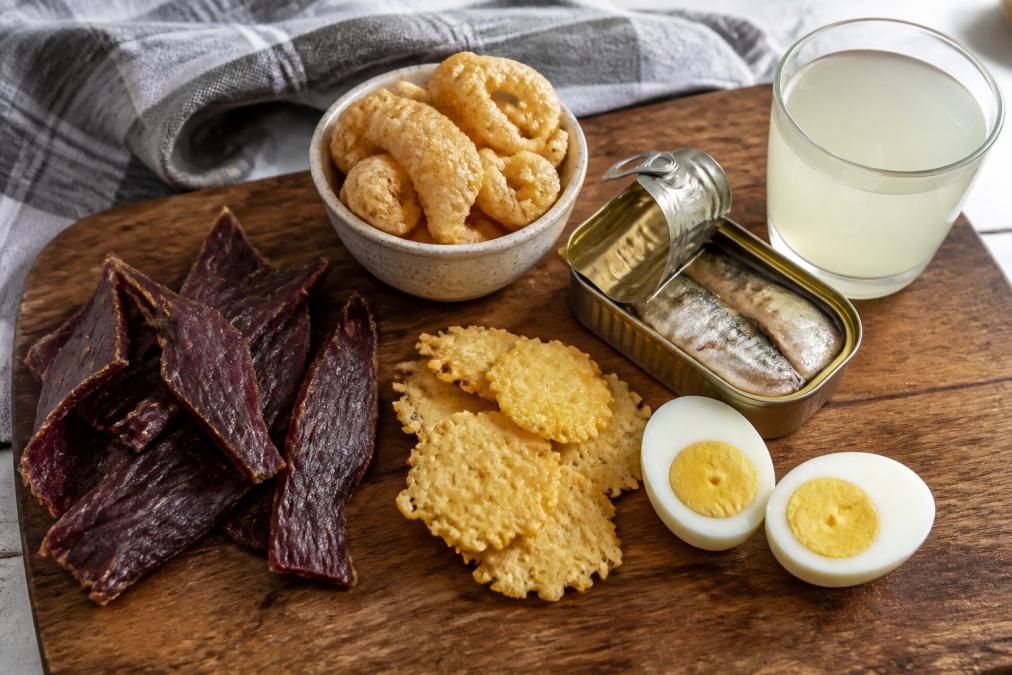
Meat-Based Snacks (Zero Additives)
1. 100% Grass-Fed Beef Jerky. The gold standard for portable protein, but only when it contains beef and salt. Most commercial jerky adds sugar, soy sauce, and preservatives. Carnivore Solutions Inc makes a 100% grass-fed beef jerky with zero sugar and zero fillers.
2. Pork Rinds. Simple pork skin fried in pork fat delivers a crunchy, high-fat snack. The cleanest option is pork rinds that list pork, salt, and pork fat as the only ingredients. Check the label for vegetable oil, which disqualifies it as clean.
3. Chomps Meat Sticks. These grass-fed and finished beef sticks are shelf-stable and portable. They contain no added sugar or artificial preservatives, though some flavors include trace spices like celery powder. Stick to the plain beef or salt-and-pepper varieties for the strictest compliance.
4. Biltong. Air-dried and cured beef that skips the heat processing of jerky, preserving more nutrients. Biltong is typically sugar-free, but verify each batch because some brands add vinegar or spice rubs during curing.
5. Leftover Meat. The most overlooked clean snack is last night's steak, cold and sliced thin. Cook extra during meal prep and keep it in the fridge for grab-and-go protein.
Dairy and Egg Snacks (If You Tolerate Them)
6. Hard-Boiled Eggs. Pre-peeled, pasture-raised hard-boiled eggs need no preparation. They are a complete protein source with no additives, though their short shelf life makes them better for a few days out rather than long-term storage.
7. Whisps Cheese Crisps. Baked from 100% real cheese, these deliver high protein and calcium with zero sugar. They are keto-certified and gluten-free, but they only work if dairy does not cause you inflammation or digestive issues.
8. Cheese Crisps (Homemade). Shredded cheddar baked on parchment paper until crispy gives you the same result as store-bought versions with total control over the cheese source. Use grass-fed or raw cheese if you want to maximize nutrient density.
9. Plain Full-Fat Greek Yogurt. When you need something creamy, full-fat yogurt with no added fruit or sweeteners fits the template. Check the label for gums and thickeners like carrageenan, which many brands add.
Seafood and Organ Meat Options
10. Canned Sardines. Canned sardines packed in water or olive oil have no fillers or preservatives. They are rich in Omega-3 fatty acids and cost less per serving than almost any other animal-based snack.
11. Canned Mackerel or Salmon. Similar to sardines, these deliver dense nutrition in a shelf-stable tin. Look for varieties packed in water or their own oil, not soybean or canola oil.
12. Liver Crisps. Freeze-dried or baked liver snacks concentrate the nutrient profile of organ meats into a portable form. They are high in vitamin A and copper, though the strong flavor takes some getting used to.
13. Oysters (Canned). Smoked oysters in olive oil provide zinc and a distinctly different texture from fish. They are a clean option when the oil is the only added ingredient.
14. Beef Tallow Chips. Rendered beef fat that has been crisped provides pure fat energy. Some specialty brands make these, or you can render your own from grass-fed suet.
15. Bone Broth (Sippable). High-quality bone broth in a thermos acts as a warm, satiating snack between meals. It provides electrolytes and collagen without solid food fatigue.
How to Choose Clean Label Beef Jerky Without Getting Fooled
The term "clean label" on beef jerky means nothing without ingredient verification. Most brands use it as a marketing hook while still adding cane sugar or molasses.
The test is simple: flip the bag and read the ingredients. Clean label beef jerky contains exactly two ingredients at most: beef and salt. Some brands add black pepper or other spices, which is fine for most carnivore eaters but disqualifies it for strict lion diet followers.
FDA guidance on food label ingredient declaration requirements requires ingredients to be listed in descending order of weight, so if sugar appears anywhere in the list, it is a significant component.
Watch for these red flags on jerky labels: sugar, honey, molasses, dextrose, corn syrup, soy sauce, natural smoke flavor, and sodium erythorbate. The last one is a common preservative derived from plant sources that hides in otherwise "clean" products. When in doubt, choose a brand that explicitly states third-party testing or grass-fed certification. Carnivore Solutions Inc jerky is made from 100% grass-fed beef with no artificial additives.
How to Avoid Additives on Carnivore Diet: Read the Label Like This
Avoiding additives on carnivore diet requires a systematic approach to label reading, not just a quick glance at the front of the package. Many hidden ingredients cause inflammation, stall ketosis, or trigger cravings.
The ingredient list tells the real story. If a product contains more than three ingredients, it likely has something you do not want. The cleanest carnivore products list one or two ingredients: meat and salt, cheese, or eggs.
Common additives to eliminate:
- Sugar and sweeteners: cane sugar, dextrose, honey, maple syrup, stevia, monk fruit, erythritol, sucralose
- Plant oils: soybean, canola, sunflower, safflower, palm
- Fillers and thickeners: maltodextrin, cellulose, carrageenan, guar gum, xanthan gum
- Flavor enhancers: natural flavors, yeast extract, MSG, hydrolyzed vegetable protein
- Preservatives: sodium nitrite, sodium erythorbate, BHA, BHT
A practical trick is to take a photo of the ingredient list before you buy. When you get home, research any ingredient you do not recognize. If it is not an animal product or salt, it does not belong in your clean snacks for carnivore diet rotation.
Budget-Friendly DIY Snacks You Can Make at Home
Store-bought clean snacks cost two to three times the price of conventional options. Making your own snacks at home cuts the cost dramatically while giving you complete control over ingredients.
DIY Beef Jerky: Slice flank steak or sirloin thin, season with salt only, and dehydrate at 160°F for 4 to 6 hours. A pound of beef yields about 4 ounces of jerky, costing a fraction of premium brands.
Pork Rinds (Homemade): Buy pork skin from a local butcher, cut it into strips, and fry in rendered lard until puffed. This takes about 20 minutes of active time and produces a fresher result than most commercial bags.
Hard-Boiled Egg Batch: Boil a dozen eggs at the start of the week. They keep for up to seven days in the shell and provide instant protein when hunger hits. Add salt and butter for extra fat and flavor.
Crispy Cheese Chips: Shred cheddar or parmesan, form small mounds on a parchment-lined baking sheet, and bake at 400°F for 5 to 7 minutes until golden. These store well in an airtight container for several days.
Leftover Meat Strategy: Cook double portions of steak, roast, or chicken thighs during dinner. Slice the extra and store it in containers for the next two days. This is the cheapest clean snack available because you are already paying for the meat.
Snacking for Your Goals: Weight Loss vs. Muscle Gain
Your snack choices should match your metabolic goal, because the same clean snack serves different purposes depending on when and why you eat it.
For weight loss, prioritize protein density and minimize fat bombs. Protein has a higher thermic effect than fat, meaning your body burns more calories digesting it. Snacks like beef jerky, hard-boiled eggs, and canned sardines keep you full without adding excessive calories.
For muscle gain, add fat to your protein snacks and time them around training. A snack of beef jerky with a piece of cheese or a spoonful of tallow provides protein for repair plus calories for growth. Eating a protein-rich snack within an hour after training supports recovery.
The satiety difference matters. Protein suppresses ghrelin, the hunger hormone, more effectively than fat or carbohydrates. A high-protein snack keeps you satisfied for three to four hours, while a fat-only snack might leave you hungry within an hour.
How Often Should You Snack? Satiety and Frequency Tips
The ideal snacking frequency on a carnivore diet is as low as possible, ideally zero to one snack per day. Frequent snacking, even on clean foods, keeps insulin elevated and prevents full entry into the fat-burning state.
Most people who feel the need to snack are actually under-eating at meals. If you eat enough protein and fat at breakfast and lunch, you should not feel hungry between meals. Cravings for snacks often signal that your main meals lack sufficient fat or that you are dehydrated.
Electrolyte imbalance is a common hidden cause of cravings. When sodium, potassium, and magnesium drop, your body signals hunger even when you have adequate calories. National Institutes of Health electrolyte balance research shows that proper electrolyte intake regulates appetite signals. A sugar-free electrolyte powder can resolve cravings that feel like hunger. Carnivore Solutions Inc formulates its electrolyte powder with 5 key electrolytes and no artificial sweeteners, designed to maintain hydration for fasting and low-carb lifestyles.
Practical snacking guidelines:
- Eat two to three large meals and snack only when genuinely hungry
- Wait at least four hours between meals before considering a snack
- Drink water or electrolytes first, then reassess hunger after 15 minutes
- Choose protein-forward snacks over fat-only options for better satiety
- Keep snacks visible and accessible to avoid reaching for non-compliant options
If you snack more than twice per day regularly, your meal portions likely need adjustment. Increase the fat content of your main meals and see if the urge to snack disappears. Cleveland Clinic guidance on hunger and satiety signaling explains how protein and fat regulate appetite through different hormonal pathways.
The Bottom Line on Clean Carnivore Snacking
Clean snacking on carnivore comes down to one principle: read every label and know exactly what you are eating. The convenience of packaged snacks does not justify consuming hidden sugars, plant oils, or artificial additives that undermine your protocol.
Start with whole-food basics like leftover meat and hard-boiled eggs, then add shelf-stable options like clean label beef jerky and pork rinds for travel and work. Verify the ingredient list yourself rather than trusting marketing claims.
Carnivore Solutions Inc builds snacks and supplements for people who refuse to compromise on ingredient quality. Our 100% grass-fed beef jerky delivers high-protein snacking with zero sugar and zero fillers, and our electrolyte powder keeps you hydrated without artificial sweeteners. Both are made in the USA with transparent sourcing.
SHOP ELECTROLYTES
Frequently Asked Questions
What are the best clean snacks for the carnivore diet?
The best clean snacks contain exactly one or two animal ingredients and nothing else. Look for 100% grass-fed beef jerky with no added sugar, plain pork rinds fried in pork fat, hard-boiled eggs, canned sardines in water or olive oil, and cheese crisps if you tolerate dairy. Avoid anything with dextrose, maltodextrin, natural flavors, or vegetable oils. When in doubt, meat and salt is the safest combination.
Are store-bought beef sticks considered clean for the carnivore diet?
Only if the label proves it. Many beef sticks contain sugar, cultured celery powder, or spice extracts that push them into dirty carnivore territory. Check the ingredient list for clean label beef jerky standards: meat, salt, and nothing else. Some brands add lactic acid starter culture or natural smoke flavor, which strict carnivores avoid. When you find a stick with only beef and salt, it qualifies as clean.
How do I identify hidden additives in carnivore-friendly snacks?
Scan the ingredient list for anything that isn't an animal product. Watch for dextrose, maltodextrin, cane sugar, honey, natural flavors, smoke flavor, spices, and vegetable oils. Those all hide in snacks marketed as keto or paleo friendly. Also check the nutrition panel for carbohydrate grams, since additives like dextrose add carbs. If the carb count shows anything above zero, the manufacturer added something that doesn't belong on a carnivore diet.
Can I eat pork rinds on a clean carnivore diet?
Plain pork rinds qualify as clean carnivore snacks when they contain only pork skin, salt, and pork fat. Many brands add maltodextrin, MSG, or artificial flavors, so read the label before buying. Pork rinds deliver a solid fat-to-protein ratio that supports satiety, and they cost less than most premium meat snacks. If you find a brand that lists just pork and salt, they make a solid addition to your snack rotation.