Electrolyte Powder for Muscle Recovery: 2026 Guide
Table of Contents
- Why Electrolyte Powder for Muscle Recovery Beats Sports Drinks
- The Science of Osmotic Balance and Fluid Shifts
- Sugar-Free vs. Sugar-Loaded Formulas
- Signs of Electrolyte Deficiency After Exercise
- Benefits of Sugar-Free Electrolytes for Athletes
- Best Electrolyte for Keto Flu Recovery
- How to Choose an Electrolyte Powder for Muscle Recovery
- How to Use Electrolyte Powder for Recovery
- Frequently Asked Questions
Last Updated: September 25, 2026
Why Electrolyte Powder for Muscle Recovery Beats Sports Drinks
Electrolyte powder for muscle recovery is a concentrated mineral blend, typically sodium, potassium, and magnesium, that you mix into water to replace what you lose through sweat. Unlike most sports drinks, it delivers those minerals without the sugar load that slows absorption and adds empty calories.
At Carnivore Solutions Inc, we built our electrolyte line around the need for clean, filler-free hydration. Most recovery drinks are sugar water with a mineral garnish. That formula made sense when athletes needed fast carbohydrate refueling between events. It makes far less sense for someone training fasted, eating low-carb, or simply trying to recover without spiking insulin.

The difference comes down to concentration and transport. A typical sports drink is dilute by design, roughly 6-8% carbohydrate, so it empties from the stomach quickly. That works for endurance events. For recovery, you want minerals at meaningful doses, not trace amounts diluted across 20 ounces. According to the American College of Sports Medicine's position stand on exercise and fluid replacement, sodium is the primary electrolyte lost in sweat and the one most athletes under-replace.
This guide breaks down the physiology, the dosing, and the label red flags.
The Science of Osmotic Balance and Fluid Shifts
Osmotic balance is the movement of water across cell membranes, driven by mineral concentration on each side. Get it right and fluid moves into cells efficiently. Get it wrong and you get bloating, sluggishness, or cramping.
Here's the mechanism in plain terms. Sodium sits mostly in your extracellular fluid; potassium sits mostly inside your cells. The sodium-potassium pump shuttles ions back and forth to maintain that gradient, which is what allows nerve signaling and muscle contraction to fire correctly. Sweat pulls sodium and water from the extracellular space. Replace the water without the sodium and you dilute what's left, a state that can leave you feeling worse than before you drank.
That's why hypotonic, isotonic, and hypertonic matter. A hypotonic solution has fewer dissolved particles than your blood, so it absorbs fast but replaces little sodium. An isotonic solution matches your blood's concentration. A hypertonic solution is more concentrated and empties slower, which is why you sip it rather than chug it. For recovery, most people do best with something near isotonic or slightly hypertonic, taken over 20-30 minutes.
Sugar-Free vs. Sugar-Loaded Formulas
Sugar-free formulas replace minerals without adding carbohydrate, which matters most for fasting, low-carb, and carnivore dieters. Sugar-loaded versions can speed fluid absorption during long endurance efforts, but they work against you when recovery is the goal.
The trade-off is real, so let's be honest about it. Glucose does enhance sodium and water uptake in the gut through a co-transport mechanism. If you're running a marathon or doing back-to-back training sessions, a carbohydrate-containing drink has a legitimate place. If you finished a 45-minute lifting session and you're eating low-carb, adding 30 grams of sugar to your recovery drink undoes the point of the diet.
There's also the crash factor. A sugar-heavy drink spikes blood glucose, then drops it, which many people experience as an afternoon slump. Our customers say it plainly. As @Joleen Green put it, "My go to electrolye with no crash, this is my second order and will continue to purchase."
One more thing most guides miss: sugar-free doesn't mean artificially sweetened. Plenty of "zero sugar" powders swap in sucralose or ace-K, which some people tolerate poorly. Read the sweetener line, not just the sugar line.
Signs of Electrolyte Deficiency After Exercise
The clearest signs of electrolyte deficiency after exercise are muscle cramping, persistent fatigue, and delayed onset muscle soreness that feels worse than the work you did. These show up because low sodium, potassium, or magnesium disrupts the electrical signaling that controls muscle contraction and relaxation.
Muscle cramping is the classic signal. It usually hits during or right after strenuous exercise, and it responds poorly to plain water. Muscle fatigue is subtler: your strength output drops and your focus goes with it.
Watch for these markers:
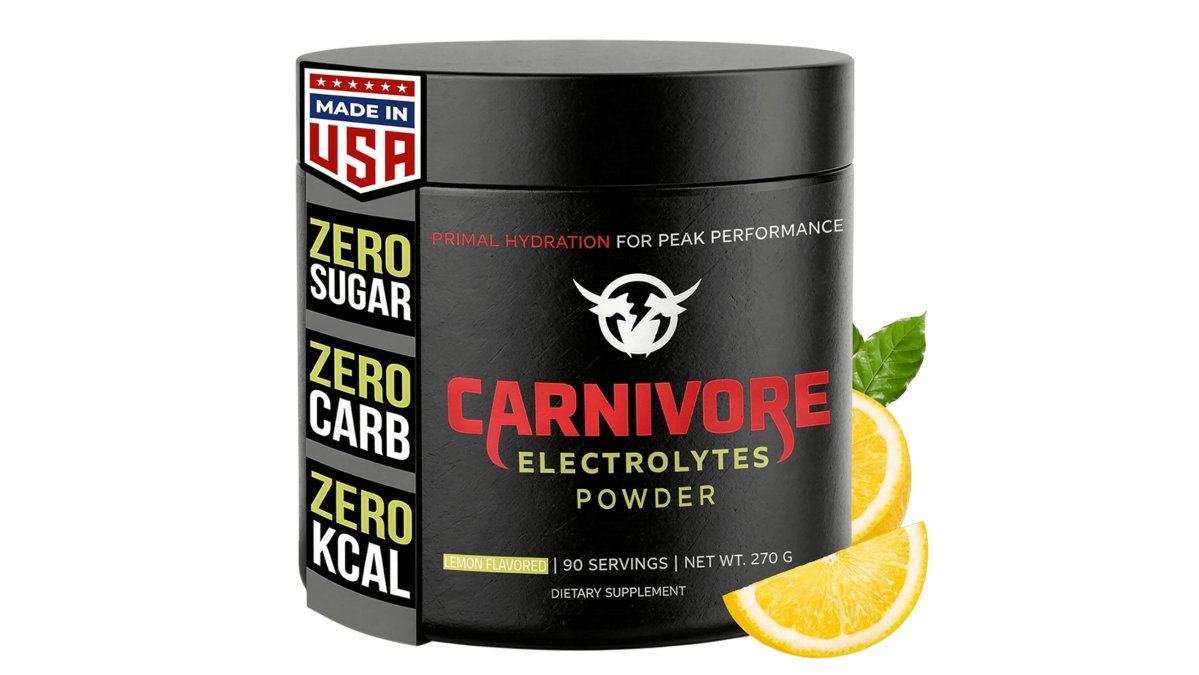
Lemon Flavored Electrolytes Powder →
- Cramps in the calves, feet, or hands during or after training
- Headache or lightheadedness when standing up quickly
- Dark urine despite drinking plenty of water
- Salt cravings or a sudden aversion to plain water
- Muscle twitching that lingers after you stop moving
Benefits of Sugar-Free Electrolytes for Athletes
Sugar-free electrolytes give athletes mineral replacement without the carbohydrate load, which supports faster return to a fasted or low-carb state and avoids the blood sugar swing that follows a sugary recovery drink.
Fasting, Low-Carb, and Carnivore Compatibility
Fasting amplifies electrolyte losses because lower insulin levels push the kidneys to excrete more sodium and water. That's why so many people feel flat, headachy, and crampy in the first days of a fast or a strict low-carb shift. Sugar-free electrolytes address that directly without breaking the fast.
Best Electrolyte for Keto Flu Recovery
The best electrolyte for keto flu recovery is one high in sodium with meaningful potassium and magnesium, and no sugar or sugar alcohols. Keto flu, the headache, fatigue, and brain fog that hit in the first week of carb restriction, is largely a sodium and water problem.
What to look for:
- Sodium as the lead ingredient, not an afterthought
- Potassium in a meaningful amount, not a token sprinkle
- Magnesium in a well-absorbed form
- No sugar, no sugar alcohols, no artificial sweeteners
How to Choose an Electrolyte Powder for Muscle Recovery
Choosing an electrolyte powder for muscle recovery comes down to three things: the mineral ratios, the dose matched to your sweat rate, and whether the label is actually clean.
Sodium, Potassium, and Magnesium Ratios That Matter
Sodium should be the largest number on the label, because it's the mineral you lose most in sweat. Potassium comes second, and magnesium third. A ratio weighted toward sodium reflects real sweat composition.
Dosing by Sweat Rate and Body Weight
Sweat rate varies enormously between people. A heavy sweater in a warm gym can lose well over a liter per hour, while a light sweater in a cool room loses a fraction of that. Heavier athletes and those who see white salt streaks on their clothes generally need more sodium, not less.
Clean Labels and Ingredient Red Flags
Read the ingredient list, not the front of the tub. Red flags include vague "electrolyte blend" listings with no milligram amounts, added sugar under names like dextrose or cane juice, artificial colors, and sugar alcohols that cause digestive upset. Our customers raise this constantly. @Wilder noted, "Most Electrolyte supplements are full of sugar, stevia," and @Jason Hyde said, "I like that this doesnt have any artificial sweeteners."
| Factor | What to Look For | Why It Matters |
|---|---|---|
| Sodium | Highest number on label | Primary mineral lost in sweat |
| Potassium | Second-highest | Supports nerve and muscle signaling |
| Magnesium | Present with a named form | Supports muscle relaxation |
| Sweeteners | None, or none you react to | Avoids GI upset and crashes |
| Fillers | Short ingredient list | Fewer additives to tolerate |
How to Use Electrolyte Powder for Recovery
A practical routine looks like this:
- Weigh yourself before and after a hard session to estimate fluid loss
- Mix one serving into the specified water volume
- Sip rather than chug, especially if the mix runs hypertonic
- Add a second serving on days with two sessions or heavy sweating
- Pair with a protein source, like a beef jerky stick, to cover recovery nutrition
A quick note on stacking with other supplements. Caffeine and creatine both increase fluid and sodium turnover slightly, so if you use either, watch your intake on training days. If you take a potassium-sparing diuretic or have kidney concerns, check with your physician before adding potassium.
Frequently Asked Questions
What is the healthiest electrolyte drink without sugar?
The healthiest option is a sugar-free electrolyte powder that lists only the minerals you need: sodium, potassium, and magnesium. Avoid formulas with added sugar, artificial sweeteners, or fillers like maltodextrin. Carnivore Solutions Inc's Lemon Flavored Electrolytes Powder delivers a balanced blend of these three minerals with zero sugar and zero calories, making it a clean choice for daily hydration and post-exercise recovery without the crash that comes from sugary sports drinks.
How do electrolytes specifically aid in muscle recovery?
Electrolytes drive muscle contraction and nerve signaling through the sodium-potassium pump. After strenuous exercise, you lose sodium and potassium through sweat, which disrupts fluid balance and can trigger muscle cramping and fatigue. Replenishing with an electrolyte powder for muscle recovery restores serum electrolyte levels, supports cellular hydration, and helps clear metabolic byproducts. Magnesium also plays a role in relaxing muscle fibers, which may reduce delayed onset muscle soreness when levels are adequate.
Do sugar-free electrolyte mixes work for athletes?
Yes. Sugar-free formulas still deliver the sodium, potassium, and magnesium your muscles need for contraction, fluid balance, and nutrient transport. The main difference is that sugar-free options skip the empty calories and blood sugar spikes of traditional sports drinks. For athletes following keto, carnivore, or fasting protocols, sugar-free electrolytes support hydration and performance without breaking their dietary approach. Look for a formula with no artificial sweeteners if you are sensitive to stevia or sucralose.
What are the signs of electrolyte deficiency after exercise?
Common signs include muscle cramping, persistent fatigue, headache, dizziness upon standing, and dark urine despite drinking water. You may also notice muscle twitching or a general sense of weakness that does not resolve with rest. If you train hard in heat or sweat heavily, these signs can appear within hours. Replenishing with an electrolyte powder that contains sodium, potassium, and magnesium is a practical first step, though persistent symptoms warrant a conversation with your doctor.