Signs of Electrolyte Deficiency in Athletes: 2026 Guide
Table of Contents
- What Electrolyte Deficiency Looks Like in Athletes
- Why Athletes Lose Electrolytes Faster Than Everyone Else
- 7 Warning Signs of Electrolyte Deficiency in Athletes
- Causes of Electrolyte Loss During Exercise
- How to Replenish Electrolytes After a Workout
- Dietary vs. Supplementation Strategies for Athletes
- Best Electrolyte Supplements for Endurance Athletes
- When to Seek Medical Attention for Electrolyte Imbalance
- Frequently Asked Questions
Last Updated: September 19, 2026
What Electrolyte Deficiency Looks Like in Athletes
Electrolyte deficiency in athletes is a drop in the charged minerals your body needs to move fluid into cells, fire nerves, and contract muscle. It shows up as cramps, fatigue, dizziness, and heart flutters, often after long or hot training sessions. We hear from athletes every week who blame their diet when the real problem is salt loss through sweat.
Why Athletes Lose Electrolytes Faster Than Everyone Else
Sweat is not just water. It carries sodium, chloride, potassium, and small amounts of magnesium and calcium out of your body.
7 Warning Signs of Electrolyte Deficiency in Athletes
The most common signs of electrolyte deficiency in athletes are muscle cramps, fatigue, dizziness, heart palpitations, nausea, brain fog, and muscle weakness. Catch them early, because mild symptoms can turn serious during long events.
1. Muscle Cramps and Spasms
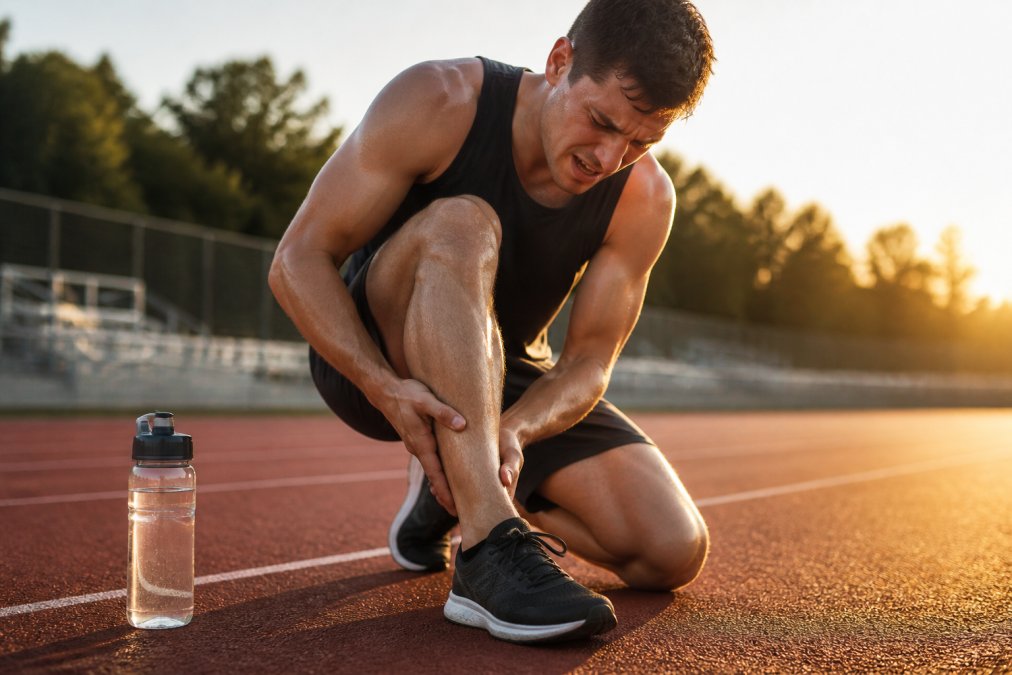
Cramps and spasms are the classic early sign: muscles twitch or lock up, often in the calves, hamstrings, or feet. Low sodium, potassium, and magnesium all play a role in muscle contraction.
2. Fatigue, Dizziness, and Lightheadedness
Feeling wiped out mid-session is not always "just tiredness." Dizziness and lightheadedness point to low plasma volume and poor fluid balance; blood pressure dips, and your brain notices.
3. Heart Palpitations and Arrhythmia
A fluttering or racing heartbeat is a red flag. Potassium and magnesium regulate heart rhythm, so when they drop too low you can feel palpitations or an irregular beat. Seek care if this happens.
4. Nausea, Vomiting, and Brain Fog
Nausea and vomiting during or after hard efforts often signal low sodium, along with brain fog, trouble focusing, and a dull headache. These signs are easy to dismiss, and that is the mistake.
Other signs to track:
- Muscle weakness that shows up early in a session
- Dark, low-volume urine
- Persistent thirst that water alone does not fix
- Cravings for salt or salty food
Causes of Electrolyte Loss During Exercise
Exercise is the main driver, but the mechanism is more specific than "you sweat it out." Sweat is a filtrate of plasma, and as it moves through your sweat glands, sodium and chloride are partially reabsorbed. When your sweat rate climbs, that reabsorption can't keep pace, so the sodium concentration in your sweat rises. That is why a hard hour in the heat can cost far more sodium than an easy hour in cool air, even at the same fluid loss.
The Main Causes, Ranked by How Often They Matter
- Long sessions over 90 minutes. Sodium loss scales with time. Most athletes run a sodium deficit after roughly 60 to 90 minutes of hard sweating.
- High heat and humidity. Humidity blocks evaporative cooling, so you sweat more and lose more sodium per hour.
- High sweat sodium concentration. Some athletes are "salty sweaters" and lose two to three times the sodium of a peer doing the same workout.
- Low daily sodium intake. If you train low-sodium all week, you start each session with a smaller tank.
- Vomiting or diarrhea before a session. GI illness drains sodium, potassium, and chloride fast.
- Medications. Diuretics, some blood pressure drugs, and certain antidepressants increase mineral loss. Talk to your prescriber before changing anything.
- Altitude. Dry air and faster breathing raise fluid loss, and the body's sodium handling shifts during acclimatization.
How to Find Your Own Sweat Sodium Number
This is the step most articles skip, and it changes your plan. Two athletes can finish the same run with completely different sodium needs, so a generic "drink an electrolyte drink" recommendation is close to useless.
Sweat rate test (do this at home):
- Weigh yourself nude before a one-hour session.
- Record exactly how many ounces you drink during the session.
- Weigh yourself nude again right after, toweled dry.
- Sweat rate in ounces per hour = (pre-weight minus post-weight in ounces) + ounces consumed.
Environmental Variables That Change the Math
- Humidity. High humidity suppresses evaporation, so sweat drips off instead of cooling you. Sweat rate and sodium loss both climb.
- Altitude. Above roughly 5,000 feet, dry air and faster respiration increase fluid loss, and acclimatization shifts sodium handling for the first week or two.
- Cold. You still sweat under layers. Winter athletes often under-drink because they don't feel thirsty, and end up dehydrated anyway.
- Clothing and equipment. Heavy gear, helmets, and non-breathable layers trap heat and raise sweat rate.
Once you know your hourly sweat rate and your rough sodium concentration, you can build an intake plan that matches your body instead of a label on a tub.
How to Replenish Electrolytes After a Workout
Most hydration advice stops at the finish line. Full electrolyte recovery takes roughly 24 hours, and how you sequence sodium, potassium, magnesium, and fluid across that window matters as much as what you drink in the first 30 minutes.
The 24-Hour Replenishment Timeline
0 to 30 minutes: Stop the deficit. Drink 16 to 24 ounces of fluid with sodium. The goal is not full rehydration but halting the drop in plasma volume and starting the sodium signal that tells your kidneys to retain fluid. If you crave salt, that confirms sodium loss was high.
A Practical Post-Workout Plan
- Within 30 minutes: 16 to 24 ounces of fluid with sodium.
- Within 2 hours: a meal or shake with protein, potassium-rich carbohydrate, and a magnesium source.
- Across the next 6 hours: keep sodium in your food at normal-to-slightly-salty levels.
- Across the full 24 hours: track urine color and thirst. Both should normalize.
- Before the next session: start hydrated, not in deficit. If you train twice a day, the second session is where poor recovery shows up first.
Food vs. Powder in the Recovery Window
Whole food is the better tool for the 2-to-24-hour window because it delivers potassium, magnesium, and protein together, which a powder alone does not. Powders and drinks earn their place in the 0-to-2-hour window, when you need fast fluid and sodium without chewing.
Signs Your Recovery Is Falling Short
- Headache that lingers into the evening
- Muscle twitches or cramps hours after training
- Dark urine the next morning
- Feeling flat in the first 20 minutes of your next session
- Persistent salt cravings the day after a long event
If any of these show up repeatedly, your post-workout plan is the first place to look, before you blame your training load.
Dietary vs. Supplementation Strategies for Athletes
Food-first works for many athletes: salting meals, eating potassium-rich foods, and adding magnesium sources can cover daily needs.
| Strategy | Best For | Watch Out For |
|---|---|---|
| Dietary only | Short sessions, daily meals | Hard to hit sodium on hot days |
| Supplement only | Long events, fasting | Easy to overdo one mineral |
| Combined | Most endurance athletes | Track total sodium intake |
Best Electrolyte Supplements for Endurance Athletes
What sets these apart:
- Zero sugar and zero calories
- Supplies a balanced blend of sodium, potassium, and magnesium
- Made in the USA in facilities that follow strict safety standards
- Crafted to support fasting and low-carb lifestyles
A common mistake is chasing the cheapest tub. Check the sodium content per serving. Many brands underdose sodium and load up on sugar.
When to Seek Medical Attention for Electrolyte Imbalance
Get medical care if symptoms go beyond mild cramps:
- Chest pain or a racing, irregular heartbeat
- Confusion, slurred speech, or seizures
- Vomiting that will not stop
- Muscle weakness that stops you from standing
- Swelling in the hands, feet, or face after drinking a lot of water
Severe cases can lead to arrhythmia or cardiac arrest. Do not wait it out. The CDC information on heat and hydration safety is a good starting point for heat-related risk.
Frequently Asked Questions
How can athletes distinguish between dehydration and electrolyte deficiency?
Dehydration causes a dry mouth, dark urine, and thirst that plain water fixes. Electrolyte deficiency often persists even after drinking water, causing muscle cramps, palpitations, or brain fog. If you drink plenty of water but still feel weak or dizzy, you likely need sodium, potassium, and magnesium rather than more fluid. Checking your sweat rate and urine color can help tell the difference.
What do athletes drink to replenish electrolytes?
Athletes typically choose between sports drinks, electrolyte powders, and whole foods. Many sports drinks contain sugar, which some athletes avoid. Sugar-free electrolyte powders that mix with water offer a fast, low-calorie option. For example, Carnivore Solutions Inc offers a [lemon-flavored electrolytes powder](https://carnivoresolutionsinc.com/products/lemon-flavored-electrolytes-powder) supplying a balanced blend of sodium, potassium, and magnesium, crafted without unnecessary additives to support hydration, muscle function, and performance during daily activity, workouts, and fasting.
What are the most common symptoms of electrolyte deficiency during exercise?
The most common symptoms during exercise are muscle cramps, spasms, fatigue, dizziness, lightheadedness, nausea, and heart palpitations. Some athletes also experience brain fog or confusion. These signs appear because sodium, potassium, magnesium, and calcium control nerve signals and muscle contractions. Ignoring them can lead to heat exhaustion or, in extreme cases, seizures or cardiac arrest.
What depletes you of electrolytes the fastest?
Intense endurance exercise in hot, humid conditions depletes electrolytes fastest because sweat rates can exceed 1-2 liters per hour. Vomiting, diarrhea, and certain medications like diuretics also cause rapid loss. Athletes following ketogenic or carnivore diets may deplete sodium faster due to lower insulin levels and increased renal excretion, making regular electrolyte replenishment especially important.
Electrolyte deficiency is easy to miss and easy to fix once you know the signs. Cramps, dizziness, and heart flutters are your body asking for sodium, potassium, and magnesium, not just water. Carnivore Solutions Inc makes clean, sugar-free electrolyte powders with five key electrolytes, no fillers, and no artificial sweeteners, plus grass-fed beef jerky for real recovery fuel. Get started with Carnivore Solutions Inc and keep your hydration and energy steady through every session.