Grass-Fed Whey Protein Powders: What Actually Matters
Table of Contents
- What Makes Grass-Fed Whey Protein Different
- Understanding Grass-Fed Whey Protein Isolate vs. Concentrate
- Grass-Fed Whey Protein Ingredients: What to Look For and What to Avoid
- Common Mistakes When Choosing Grass-Fed Whey Protein
- Frequently Asked Questions
Last Updated: October 8, 2026
What Makes Grass-Fed Whey Protein Different
Grass-fed whey protein powder starts with the cow's diet.
At Carnivore Solutions Inc, we focus on sourcing transparency because your supplement should match what you think you're buying.
Legitimate grass-fed whey separates itself through verifiable sourcing, independent contaminant testing, and honest labeling of concentrate versus isolate ratios. A quality grass-fed whey protein powder delivers consistent amino acid profiles, clean ingredients, and no hidden additives.
Understanding Grass-Fed Whey Protein Isolate vs. Concentrate
Isolate versus concentrate determines protein density and carbohydrate content.
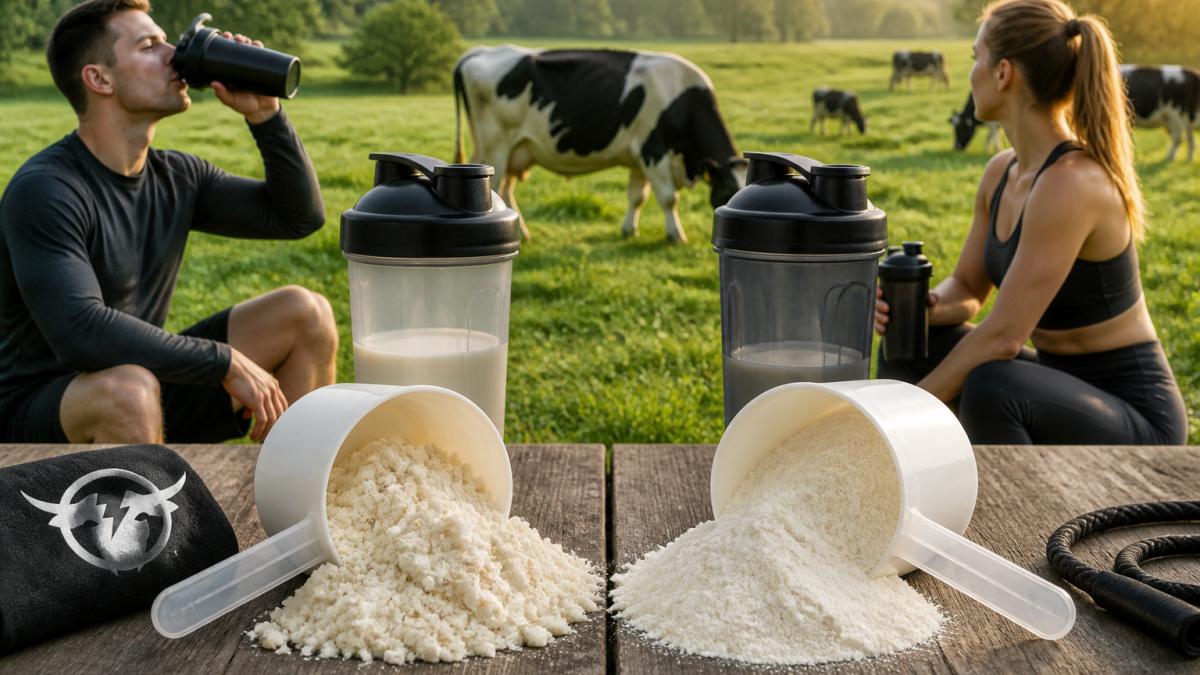
Neither is inherently superior. Concentrate suits those who tolerate lactose and want a fuller nutrient profile; isolate suits lactose sensitivity or close macro tracking.
(/blogs/news/how-to-verify-grass-fed-beef) diet or pasture access || Animal Welfare Approved / Certified Humane | Specific animal welfare and pasture standards | Does not verify the final whey's grass-fed content |
|---|---|---|
| Brand-specific grass-fed programs | Varies by brand; may include third-party audits | Scope depends entirely on the brand's own standard |
No single certification covers everything. A product can be USDA Organic and still contain whey from grain-fed cows, or be A2 with no grass-fed verification. Read the certification's actual standard, not just the logo.
Third-Party Testing: What It Can and Cannot Confirm
Third-party testing is often called the gold standard, but it verifies specific things. Understanding the scope prevents overconfidence.
- Heavy metals: Screens for lead, arsenic, cadmium, and mercury. A contaminant check, not a grass-fed check.
- Label accuracy: Confirms protein content matches the label, catching protein spiking with cheap nitrogen sources.
- Grass-fed markers: Higher omega-3 ratios or CLA levels are indirect markers of a grass-based diet, more reliable than trusting a supplier, but not definitive proof of pasture access.
Publishing heavy metals and label-accuracy results shows transparency, but those results don't confirm the grass-fed claim. Look for brands that publish both contaminant testing and sourcing documentation.
How to Assess a Grass-Fed Claim Yourself
You don't need a lab to evaluate a claim:
- Check certification logos. Look up what each actually requires; one rarely covers everything.
- Read the sourcing statement. Specific language about pasture access, grazing duration, and feed beats vague "from grass-fed cows" claims.
- Look for published test results. Heavy metals and label-accuracy results signal transparency; sourcing audits are stronger.
- Check for blending signals. A blend of whey from multiple sources may have a lower grass-fed percentage than the label implies.
- Contact the brand. One that answers specific supply-chain questions is more credible than one that can't.
The Bottom Line on 100% Claims
Absolute "100% grass-fed" claims are hard to verify given how whey is sourced and blended. Look for brands that name their standard, publish testing, and use language matching what they can document. "Made from grass-fed milk" with a named certification and published results beats "100% grass-fed" with no documentation.
Grass-Fed Whey Protein Ingredients: What to Look For and What to Avoid
Your ingredient list reveals everything. A clean grass-fed whey protein powder has five or fewer ingredients: whey protein (concentrate or isolate), a sweetener, and maybe a flavor compound.
Clean Sweeteners vs. Hidden Additives
Stevia and monk fruit are the most common clean sweeteners, both plant-derived and non-insulin-triggering. Xylitol and erythritol are sugar alcohols that can cause digestive issues in large amounts.
Hidden additives are the real problem. Gums like guar and xanthan act as thickeners, cellulose appears in some blends, and soy lecithin is a common emulsifier. None are toxic, but a well-made whey protein powder doesn't need them.
Flavor Options and Mixability
Unflavored whey protein powder mixes into smoothies, coffee, baked goods, or savory dishes. Flavored versions are convenient but lock you into one taste. Vanilla and chocolate are standards, with options like cookies and cream or salted caramel.
Mixability depends on processing: microfiltration creates a finer particle size, ion exchange can leave a grainy texture, and isolate typically mixes better than concentrate.
Common Mistakes When Choosing Grass-Fed Whey Protein
The biggest mistake is prioritizing marketing over substance.
Many people overpay for certifications that don't matter for their goals.
Another error is ignoring digestibility. Some tolerate concentrate fine; others need isolate. Testing a small container before a bulk order saves money and frustration.
Finally, don't assume all grass-fed whey tastes the same. Processing, sweetener choice, and flavor compounds create real differences in taste and mixability.
| Criteria | What to Check | Why It Matters |
|---|---|---|
| Protein per serving | 20-25 grams minimum | Ensures adequate amino acid intake |
| Leucine content | 2.5-3 grams per serving | Triggers muscle protein synthesis |
| Sourcing verification | Third-party testing or audit | Confirms grass-fed claim is real |
| Ingredient count | Five or fewer ingredients | Signals clean formulation |
| Sweetener type | Stevia, monk fruit, or sugar alcohols | Affects digestibility and taste |
| Isolate vs. concentrate | Match to your lactose tolerance | Determines carbohydrate and fat content |
Frequently Asked Questions
Is grass-fed whey protein actually better than conventional whey?
Grass-fed whey protein comes from cows raised on open pastures eating natural grass rather than grain-based feed. This results in a higher concentration of omega-3 fatty acids and conjugated linoleic acid (CLA) compared to conventional whey. The essential amino acid profile, including leucine for muscle repair and recovery, is also more complete. Additionally, grass-fed cows are typically raised without synthetic hormones (rBGH/rBST) or routine antibiotics, reducing contaminant exposure. For athletes and those following strict carnivore or ketogenic diets, the cleaner sourcing and superior nutrient density make grass-fed whey a measurable step up.
What is the difference between grass-fed whey protein isolate and concentrate?
Whey protein isolate undergoes additional processing to remove most lactose and fat, delivering 90%+ protein by weight. Concentrate retains more lactose and fat, typically containing 70-80% protein by weight. Isolate is ideal if you're lactose-sensitive or want minimal carbohydrates and fat per serving. Concentrate offers a more complete nutrient profile and costs less per pound. For carnivore and keto dieters, isolate works better for strict macros, but concentrate provides better digestibility and satiety for some people. Always check the label for exact macros and serving size.
How can you tell if whey protein is truly grass-fed?
Look for third-party certifications that verify cows spent most of their lives on open pastures eating grass, not grain. Check the label for specific sourcing claims, reputable brands disclose the origin of their milk (domestic vs. imported). Ask the manufacturer for testing reports showing contaminant levels and amino acid profiles. Be skeptical of vague claims like 'grass-fed blend' or 'grass-fed sourced', these often mix a small percentage of grass-fed whey with conventional whey. Genuine grass-fed products are transparent about sourcing and testing results.
What should you look for on a grass-fed whey protein label?
Check protein content per serving (aim for at least 20 grams), serving size, and the complete amino acid profile, especially leucine content for muscle building. Verify the whey type: isolate or concentrate. Look for a clean ingredient list, single-ingredient or minimal additives. Avoid artificial sweeteners, fillers, and thickeners; if sweetened, confirm the sweetening agent matches your dietary tolerance. Confirm grass-fed certification and third-party testing for contaminants. Calculate the price per serving to assess value. For carnivore and keto adherents, ensure carbohydrate and sugar content align with your macros.
Choosing a quality grass-fed whey protein powder comes down to verification and transparency. Most brands make claims they can't back up. At Carnivore Solutions Inc, we believe your supplement should match exactly what the label says. Look for products with third-party testing results, clear amino acid breakdowns, and honest sourcing documentation. Your recovery and performance depend on what you're actually consuming, not what the marketing promises.