Paleovalley Alternatives: Clean Keto Snacks
Table of Contents
- What Makes a Clean Keto Snack Worth Your Money
- Grazly Beef Sticks: Minimalist Ingredient Approach
- REP Provisions Beef Sticks: Regenerative Sourcing Focus
- Epic Pork Rinds: Crunchy Salty Alternative
- Best Snacks for Sustained Energy on a Low-Carb Diet
- How to Identify Clean Label Keto Snacks
- Cost-Per-Serving Analysis and Storage Considerations
- Conclusion
- Frequently Asked Questions
Last Updated: September 4, 2026
Finding a Paleovalley alternative for clean keto snacks often comes down to one frustration: ingredient lists that claim to be clean but hide starches, sugars, or artificial additives further down the label. Clean keto snacks are minimally processed, high-protein foods with no artificial additives, no added sugar, and a short ingredient list you can actually pronounce. At Carnivore Solutions Inc, we evaluate snacks against exactly these standards because we formulate our own 100% grass-fed beef jerky and sugar-free electrolytes for the same audience. Below, we break down the strongest alternatives by sourcing, ingredient transparency, and cost per serving, so you can stock your pantry with confidence.
What Makes a Clean Keto Snack Worth Your Money
A clean keto snack earns its price tag when it delivers three things: a strong protein-to-fat ratio, zero net carbs from fillers, and total ingredient transparency. Most products fail on the third point. They market "keto-friendly" while sneaking in tapioca starch, cane sugar, or natural flavors that mask processing shortcuts.
The macronutrient math matters most. A snack that keeps you in ketosis should derive nearly all calories from protein and fat, with no sugar alcohols or hidden starches that spike blood glucose. Nutrient-dense options like grass-fed beef sticks check those boxes while providing real satiety, not just a momentary craving fix.
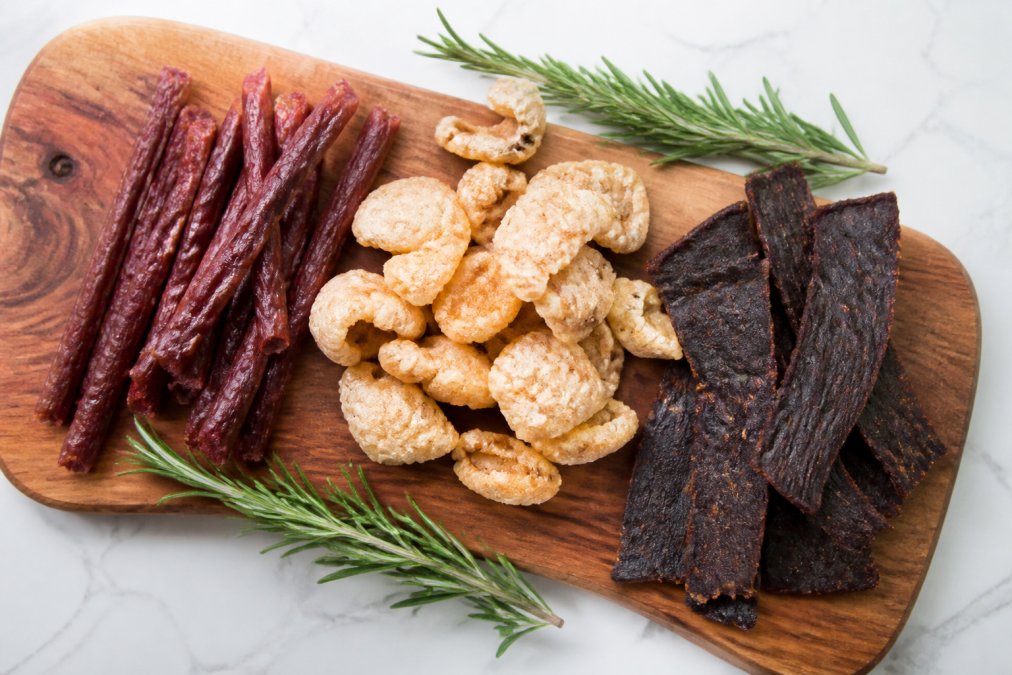
Sourcing also separates premium snacks from commodity ones. Grass-fed and regeneratively raised animals produce meat with a better fatty acid profile, which matters for anyone tracking metabolic health. According to USDA food composition guidance on grass-fed beef, the diet of the animal directly influences the nutritional quality of the final product.
Cost-Per-Serving Reality Check
Where most buyers stumble is comparing snacks by package price rather than nutritional value per serving. A $6.99 box of grass-fed beef sticks containing 12 sticks delivers roughly $0.58 per serving of pure protein and fat. By contrast, a conventional granola bar at $0.89 per serving delivers 12 grams of sugar and 3 grams of net carbs, the opposite of keto-friendly. When you factor in satiety (a beef stick keeps you full for 3-4 hours; a granola bar lasts 45 minutes), the premium snack becomes the budget choice.
Regenerative and grass-fed sourcing adds 20-35% to the per-unit cost compared to grain-fed alternatives, but the fatty acid profile difference is measurable. Grass-fed beef contains roughly 2-3 times more conjugated linoleic acid (CLA) than grain-fed beef, a compound many low-carb practitioners prioritize for metabolic support. If regenerative sourcing aligns with your health goals, the cost premium reflects real nutritional differentiation, not just marketing.
Sourcing Verification Beyond the Label
Not all "grass-fed" claims are equal. The USDA grass-fed standard requires animals to graze on pasture for the majority of their life, but it does not mandate third-party verification. Regenerative agriculture goes further, it tracks soil health, carbon sequestration, and biodiversity, but lacks a single federal standard. Look for brands that cite specific certifications: American Grassfed Association (AGA), Regenerative Organic Certified (ROC), or Certified Humane. These third-party seals require annual audits and transparent supply chain documentation, which cost brands money but give you proof the sourcing claim is real.
Grazly Beef Sticks: Minimalist Ingredient Approach
Grazly takes the simplest possible route with beef sticks made from just a handful of primary ingredients. Their product contains only three main components, sourced from 100% grass-fed cattle, with no artificial fillers or additives. For anyone who has read Paleovalley labels and still wanted fewer lines, Grazly delivers.
The trade-off is availability. Mass-market brands dominate retail shelves, so you will likely order Grazly directly online. That inconvenience is minor compared to the confidence of eating a snack that is essentially beef, salt, and seasoning. This is the closest thing to a carnivore diet-approved stick you will find from another brand.
REP Provisions Beef Sticks: Regenerative Sourcing Focus
REP Provisions builds its entire brand around regenerative agriculture, meaning the cattle are raised in systems that improve soil health and sequester carbon. For buyers who prioritize environmental impact alongside personal nutrition, this sourcing standard is the differentiator.
The beef sticks match premium health standards with a clean ingredient profile and a high-protein, low-carb formulation. The downside is price. Regenerative practices cost more, and that premium shows up in the per-stick cost. If your budget allows, REP Provisions offers the most transparent supply chain in this category, which carries genuine weight for ethically minded consumers.
Epic Pork Rinds: Crunchy Salty Alternative
Sometimes the craving is not for meat chew but for crunch. Epic Pork Rinds answer that need with a zero-carb snack high in healthy fats and protein, available in multiple savory flavors at roughly $4.99 per bag. They deliver the salty-crunchy texture that keto dieters often miss most.
What makes Epic notable is how widely available the brand is. You can find these pork rinds in major retailers without special ordering. The one caveat is sodium. Some flavors run higher in salt content, so check the label if you are watching intake. For a grain-free, shelf-stable crunch fix, Epic remains a reliable pantry staple.
Best Snacks for Sustained Energy on a Low-Carb Diet
Sustained energy on a low-carb diet depends on snacks that provide steady fuel without glucose spikes. The best snacks for sustained energy combine moderate protein, adequate fat, and zero sugar to keep insulin flat between meals. Beef sticks and jerky excel here because protein digests slowly and fat provides lasting satiety.
For an afternoon slump, pair a meat-based snack with an electrolyte drink to maintain hydration and focus. Many athletes find that sugar-free electrolytes prevent the energy crash that follows sweetened sports drinks. The combination of high-protein food and proper mineral balance supports mental clarity without the rollercoaster.
How to Identify Clean Label Keto Snacks
Clean label keto snacks share one defining trait: the ingredient list reads like a recipe, not a chemistry experiment. Look for whole foods, named fats like beef tallow or avocado oil, and zero artificial additives. If you see maltodextrin, dextrose, or "natural flavors" without explanation, keep walking.
The FDA guidance on food labeling and ingredient declarations requires ingredients to be listed in descending order of weight, so the first three items tell you most of what you need to know. A clean snack leads with meat or a whole-food fat, not starches or sugar substitutes.
Here is a quick checklist for evaluating any label:
- Ingredient count under five items
- No added sugar or sugar alcohols
- Protein and fat listed before any carbohydrate source
- No artificial preservatives or coloring agents
- Sourcing claims like grass-fed or pasture-raised stated plainly
Allergen-Friendly Keto Snacking: Beyond the Standard Clean Label
Many keto dieters also follow paleo or elimination protocols that exclude common allergens. Standard beef jerky and pork rinds often contain hidden triggers: soy lecithin as an emulsifier, dairy-based casings, or nightshade spices like paprika. If you are managing food sensitivities alongside ketosis, the "clean" label becomes incomplete.
When scanning for allergen-free options, check for these specific red flags:
- Soy: Appears as soy lecithin, soy sauce, or fermented soy in cured meats. Brands that use sunflower lecithin or gum arabic instead are soy-free.
- Dairy: Casings made from collagen (animal-derived) are dairy-free; casings made from cellulose are plant-based but safe. Avoid brands that list milk powder or whey as binders.
- Nightshades: Paprika, cayenne, and chili powder are common in flavored snacks. If you are sensitive to nightshades, seek unflavored or salt-and-pepper varieties.
- Gluten and grains: Most meat snacks are naturally gluten-free, but cross-contamination can occur in facilities that process wheat. Look for "certified gluten-free" if celiac disease or gluten sensitivity is a concern.
Brands that explicitly state "soy-free," "dairy-free," and "nightshade-free" on packaging are rare, so you will often need to contact the manufacturer directly. A brand that responds quickly with detailed allergen information is one that takes clean sourcing seriously.
Storage Logistics: Pantry vs. Travel
Clean label snacks are only valuable if they stay fresh and accessible. Unopened beef sticks and jerky last 6-12 months at room temperature, making them ideal for desk drawers and car glove compartments. Pork rinds stay crispest in an airtight container after opening and degrade within 2-3 weeks once exposed to air and humidity.
For frequent travelers, single-serving packs ($0.75-$1.25 per stick) eliminate the spoilage risk of bulk purchases but cost 30-40% more per ounce. For home pantry stocking, bulk purchases ($3.50-$5.00 per stick) offer better value if you consume them within 4-6 weeks of opening. Check the USDA guidelines on shelf-stable meat snack storage for safe handling practices that maximize freshness without waste.
Cost-Per-Serving Analysis and Storage Considerations
Clean keto snacks cost more per ounce than conventional chips, but the value calculation changes when you compare cost per serving of actual nutrition. A $4.99 bag of pork rinds delivers roughly three servings of pure protein and fat. A beef stick at premium pricing still beats a fast-food stop on both nutrition and price.
Storage matters more than most buyers realize. Unopened beef sticks and jerky last months at room temperature, making them ideal for travel and desk drawers. Pork rinds stay freshest in an airtight container after opening. Check the USDA guidelines on shelf-stable meat snack storage for safe handling practices that maximize freshness without waste.
| Snack | Primary Protein | Carb Content | Best For | Storage Consideration |
|---|---|---|---|---|
| Grass-fed beef sticks | High | Zero net carbs | On-the-go protein | Shelf-stable until opened |
| Regenerative beef sticks | High | Zero net carbs | Ethical sourcing | Shelf-stable until opened |
| Pork rinds | Moderate | Zero carbs | Crunch cravings | Airtight container after opening |
| Beef jerky | High | Minimal | Sustained energy | Reseal after each use |
Conclusion
The search for a Paleovalley alternative for clean keto snacks ends when you stop trusting marketing claims and start reading labels with a critical eye. Grazly offers the simplest ingredient list, REP Provisions leads on sourcing ethics, and Epic delivers the crunch factor at accessible prices. Each earns a place depending on your priorities.
What none of these brands offer is a complete fuel system. That gap is where Carnivore Solutions Inc steps in. Our 100% grass-fed beef jerky provides the high-protein, zero-filler snacking option, while our sugar-free electrolyte powder supplies five key electrolytes without artificial sweeteners. Both are made in the USA with zero sugar and zero fillers, designed to support fasting, low-carb lifestyles, and daily energy demands.
Get started with Carnivore Solutions Inc and fuel your low-carb lifestyle with snacks and supplements that match your standards.
Frequently Asked Questions
What ingredients should I avoid in clean keto snacks?
Avoid snacks with added sugars, sugar alcohols like maltitol, artificial sweeteners, seed oils, and preservatives like BHA or BHT. Look for products with fewer than five ingredients and no fillers. Check labels for terms like 'natural flavors' that can hide additives. Clean label keto snacks should list recognizable whole-food ingredients like beef, salt, and spices only.
Are grass-fed beef sticks better for sustained energy than other keto snacks?
Grass-fed beef sticks provide high-quality protein and fat that support satiety and stable blood sugar, making them excellent for sustained energy. The protein-to-fat ratio in beef sticks delivers sustained energy without the blood sugar spike of carb-based snacks. However, variety matters, combining beef sticks with fermented foods or electrolyte supplementation can optimize energy levels throughout the day on a low-carb diet.
How do I know if a beef snack is actually grass-fed?
Look for third-party certifications like American Grassfed Association (AGA) or Regenerative Organic Certified labels on packaging. Ask brands directly for sourcing documentation, reputable companies provide transparency about their supply chain. Check the ingredient list for 'grass-fed beef' rather than just 'beef,' and verify the product is made in the USA if domestic sourcing matters to you. Brands hiding their sourcing practices are a red flag.
Can pork rinds fit into a clean keto diet?
Yes, pork rinds can fit a clean keto diet when sourced from high-quality, minimally processed pork. They provide zero carbs, high fat, and satisfying crunch. However, check labels carefully, many mass-market pork rinds contain vegetable oils, MSG, or other additives. Look for brands using pasture-raised pork with simple seasonings like sea salt. Pork rinds work well as a crunchy alternative to beef sticks when you want texture variety.