Signs of Hidden Sugar Intake: 7 Warning Signs to Know
Table of Contents
- What Counts as Hidden Sugar? Added Sugars vs. Natural Sugars
- 7 Physical Signs of Hidden Sugar Intake
- Common Names for Added Sugar on Food Labels
- Why Artificial Sweeteners Cause Bloating and Other Digestive Issues
- How to Detox From Sugar: A Practical Step-by-Step Approach
- Why Hidden Sugar Sabotages Low-Carb and Carnivore Diets
- Frequently Asked Questions
Last Updated: September 23, 2026
What Counts as Hidden Sugar? Added Sugars vs. Natural Sugars
Hidden sugar is any added sweetener that appears on an ingredient list under a name you don't recognize as sugar. It hides in sauces, yogurts, breads, and "health" snacks. This guide from Carnivore Solutions Inc covers the physical signs of hidden sugar intake, the label names to watch, and a practical way to cut back without wrecking your budget.
The Difference Between Added Sugars and Naturally Occurring Sugars
The FDA guidance on added sugars draws a clear line: added sugars are those introduced during processing, while naturally occurring sugars exist in the food as grown. An apple's sugar arrives with fiber that slows absorption. A flavored yogurt's added sugar arrives alone, and your blood glucose responds faster.
7 Physical Signs of Hidden Sugar Intake
The clearest physical signs of hidden sugar intake are energy crashes, brain fog, mood swings, stubborn weight gain, acne breakouts, constant cravings, and digestive trouble after "healthy" meals. Most people notice two or three of these at once and blame stress instead of their plate.
- Afternoon fatigue that hits like a wall
- Brain fog and trouble focusing
- Irritability and mood swings between meals
- Weight gain around the midsection
- Acne breakouts along the jaw and chin
- Cravings that spike an hour after eating
- Bloating and gas after packaged foods
Energy Crashes and Afternoon Fatigue
An energy crash two to three hours after lunch is the most common signal. Your blood glucose rose fast, insulin cleared it fast, and now you're running low. The fix isn't more caffeine. It's removing the fast sugar that caused the spike.
Brain Fog, Mood Swings, and Irritability
The brain runs on glucose, but it needs steady supply, not floods. When blood sugar swings, focus and patience swing with it. Many people describe this as brain fog or unexplained irritability, and it often tracks directly to a sugary breakfast or snack.
Weight Gain, Cravings, and Acne Breakouts
Liquid and snack sugar adds calories without satisfying hunger, which is why weight gain follows quietly. Cravings then intensify because the crash demands another hit. Acne breakouts are the visible part: rising insulin can increase oil production and inflammation in the skin.
Common Names for Added Sugar on Food Labels
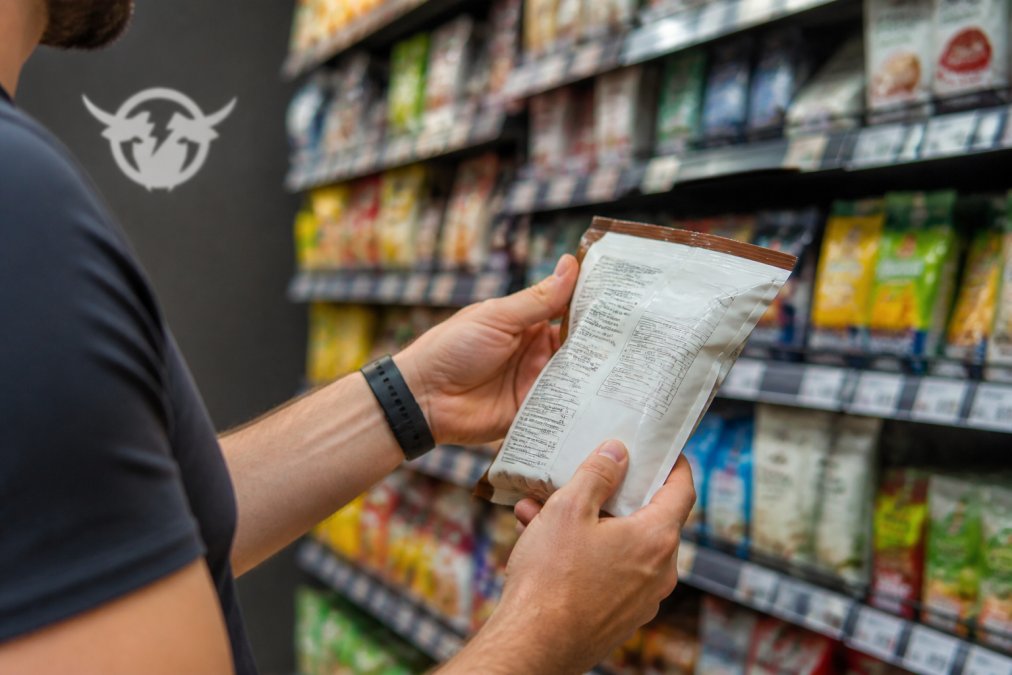
Added sugar hides behind more than 60 names on ingredient lists. If a label lists syrup, anything ending in "-ose," or a fruit juice concentrate, treat it as added sugar.
- Syrups: corn syrup, high-fructose corn syrup, rice syrup, malt syrup, maple syrup
- "-ose" endings: sucrose, dextrose, maltose, fructose, glucose
- Juice concentrates: evaporated cane juice, fruit juice concentrate
- Others: honey, agave, molasses, coconut sugar, brown rice syrup
How to Read the Nutrition Facts Label for Added Sugars
Start with the "Added Sugars" line on the Nutrition Facts label. It gives grams per serving, and the Dietary Guidelines for Americans recommend keeping added sugars under 10% of daily calories. For a 2,000-calorie diet, that's roughly 50 grams.
| Label Term | What It Is | Watch For |
|---|---|---|
| High-fructose corn syrup | Added sugar | Sodas, sauces, breads |
| Evaporated cane juice | Added sugar | "Natural" snacks |
| Fruit juice concentrate | Added sugar | Granola, yogurt |
| Dextrose, maltose | Added sugar | Protein bars |
| Honey, agave | Added sugar | "Clean" labels |
Why Artificial Sweeteners Cause Bloating and Other Digestive Issues
Swapping sugar for a "sugar-free" label feels like progress, but it often trades one problem for another. The swap trap has three layers: gut symptoms, appetite signaling, and a labeling loophole that lets products look cleaner than they are.
The Gut Layer: Sugar Alcohols and Fermentation
Sugar alcohols and high-intensity sweeteners cause bloating because your small intestine doesn't fully absorb them. Unabsorbed molecules pull water into the bowel and then ferment in the colon, producing gas, cramping, and loose stools in sensitive people.
The Appetite Layer: Sweet Taste Without the Calories
Sweetness on the tongue triggers a cephalic response, your body prepares for incoming energy. When the calories never arrive, some people report stronger cravings, not weaker ones. The research here is mixed and individual, but a frequent pattern is that artificial sweeteners keep the sweet tooth switched on rather than dialing it down. If you're trying to break a sugar habit, a steady stream of diet soda and sugar-free candy can keep the reward loop primed.
The Labeling Loophole
"Sugar-free" and "no added sugar" are not the same claim, and neither means "no sweetener."
- Sugar-free means less than 0.5 grams of sugar per serving, but the product can still contain sugar alcohols, which carry calories and can spike blood glucose in some people.
- No added sugar means no sugar was added during processing, but the food may still be naturally high in sugar (fruit juice concentrate, dried fruit, honey).
- Zero sugar is a marketing phrase, not a regulated one. Check the Nutrition Facts panel, not the front of the box.
A Practical Swap Checklist
- Read the ingredient list, not the front-of-package claim.
- Count sugar alcohols per serving, more than 5 grams is a common bloat threshold.
- Notice whether sweeteners increase your cravings over the following two hours.
- Rotate sweetener types rather than stacking several in one day.
- If symptoms persist, drop sweeteners entirely for two weeks and reintroduce one at a time.
How to Detox From Sugar: A Practical Step-by-Step Approach
A sugar detox works best as a structured taper, not a crash, but the reason most tapers fail isn't willpower. It's the dopamine-reward loop that sugar hijacks, and any plan that ignores it will collapse by day four.
Why Sugar Is Hard to Quit: The Dopamine-Reward Loop
Sugar triggers dopamine release in the brain's reward pathway, the same circuit involved in gambling and other compulsive behaviors. The sequence is predictable:
- You eat something sweet. Dopamine spikes and you feel a hit of pleasure.
- Blood glucose rises fast, then insulin clears it fast.
- The crash arrives two to three hours later, and your brain remembers where the last hit came from.
- Cravings intensify, you reach for another sweet, and the loop tightens.
The Taper Plan
Here's a step-by-step approach that accounts for the reward loop:
- Audit your kitchen. Read every label and set aside anything with a listed added sugar. Out of sight is the single highest-leverage move.
- Pick a start date. Give yourself a full week with no travel or big events.
- Taper over seven days. Cut one sugary item per day rather than quitting all at once. This softens the dopamine drop.
- Anchor meals in protein and fat. Eggs, beef, and fish keep blood sugar steady and blunt the crash that drives cravings.
- Add electrolytes. Sodium, potassium, and magnesium ease the "keto flu" feeling during the drop.
- Replace the ritual, not just the food. If dessert was your evening wind-down, swap in a non-food ritual, tea, a walk, a shower, so the cue doesn't go unanswered.
- Plan snacks ahead. Keep a protein snack within reach so cravings don't win by default.
- Track how you feel. Note energy, mood, and sleep for two weeks. Most people see the fog lift between day five and day ten.
Cutting sugar too fast can cause headaches, fatigue, and strong cravings for three to five days. Taper over a week instead of quitting cold, or the dopamine crash will likely rebound you straight back to old habits.
Budget-Friendly Sugar Reduction Strategies
Cutting sugar doesn't require expensive "health" products, which often hide sugar of their own. Buy plain whole foods and season them yourself. Plain Greek yogurt costs less than flavored, and you control what goes in. Frozen vegetables, eggs, canned tuna, and plain oats are among the cheapest low-sugar staples in any grocery store.
The fastest way to cut hidden sugar is to stop buying products that need a label decoded. Whole foods and three-ingredient snacks remove the guesswork, and the dopamine trigger, entirely.
Why Hidden Sugar Sabotages Low-Carb and Carnivore Diets
Hidden sugar wrecks low-carb and carnivore diets because it slips in below your carb threshold without you noticing. A single "keto-friendly" sauce can carry several grams per tablespoon, enough to keep you out of ketosis all day.
The fastest way to cut hidden sugar is to stop buying products that need a label decoded. Whole foods and three-ingredient snacks remove the guesswork entirely.
Frequently Asked Questions
What are the physical signs of consuming too much hidden sugar?
Common physical signs include energy crashes, brain fog, mood swings, irritability, unexplained weight gain, acne breakouts, and persistent sugar cravings. You may also notice tooth decay and frequent hunger even after eating. These symptoms often appear gradually because hidden sugar is consumed in small amounts throughout the day, making the connection easy to miss. Tracking your daily intake of added sugars against the Dietary Guidelines recommendation of no more than 10% of total calories can help you identify whether hidden sugar is the culprit.
How can I identify hidden sugars on food nutrition labels?
Start with the Nutrition Facts label and check the 'Added Sugars' line, which shows how much sugar was added during processing rather than occurring naturally. Then scan the ingredient list for names like sucrose, dextrose, maltose, fructose, syrups, and anything ending in '-ose.' Ingredients are listed by weight, so if a sugar name appears in the first three ingredients, the product contains a significant amount. Even savory items like sauces, breads, and dressings can carry hidden sugar.
Why do artificial sweeteners cause bloating in low-carb diets?
Sugar alcohols like sorbitol, xylitol, and maltitol are poorly absorbed in the small intestine. When they reach the colon, gut bacteria ferment them, producing gas and bloating. Some people are more sensitive than others, and reactions vary by type and dose. If you follow a low-carb or carnivore diet and experience bloating after consuming sugar-free products, check the label for sugar alcohols or artificial sweeteners. Switching to products with zero sugar alcohols and no artificial sweeteners can resolve the issue.
How do I detox from sugar without feeling miserable?
Reduce gradually rather than quitting cold turkey. Start by cutting sugary drinks, then swap processed snacks for whole foods like grass-fed beef jerky or hard-boiled eggs. Increase protein and healthy fats at each meal to stabilize blood glucose and reduce cravings. Stay hydrated with electrolytes, since mineral imbalances can mimic sugar cravings. Most people notice improved energy and fewer mood swings within one to two weeks. Budget-friendly options include buying whole ingredients in bulk and preparing snacks at home.
Cutting hidden sugar is hard because it's designed to be invisible. If you're tired of decoding labels and want fuel that fits a low-carb or carnivore plan, Carnivore Solutions Inc makes it simple. Our zero-sugar electrolyte powders support hydration and steady energy, our grass-fed beef jerky delivers clean protein on the go, and every product is made in the USA with no fillers or artificial sweeteners. Get started with Carnivore Solutions Inc and take the guesswork out of your next snack.