Why Artificial Sweeteners Cause Bloating
Table of Contents
- What Artificial Sweeteners Actually Are (and Why They're Everywhere)
- Sugar Alcohols and Digestive Issues: The Core Problem
- Why Artificial Sweeteners Cause Bloating: The Science Behind It
- Symptoms of Artificial Sweetener Intolerance to Watch For
- Hidden Sweeteners in 'Healthy' Foods That Wreck Your Gut
- How to Reduce Bloating from Processed Foods
- Artificial Sweeteners Bloating: Which Sweeteners Are the Worst Offenders
- Frequently Asked Questions
Last Updated: August 31, 2026
What Artificial Sweeteners Actually Are (and Why They're Everywhere)
Artificial sweeteners are synthetic or naturally derived compounds that mimic the taste of sugar with little to no caloric contribution. They fall into two broad categories: high-intensity sweeteners like aspartame, sucralose, and saccharin, and sugar alcohols like sorbitol, xylitol, maltitol, and erythritol, which provide fewer calories than regular sugar but behave very differently in your digestive tract.
Food manufacturers use them to reduce sugar content and calorie counts while preserving sweetness. The problem is that "sugar-free" and "gut-friendly" are not the same thing, and most product labels won't tell you that.
At Carnivore Solutions Inc, we've built our entire product philosophy around this exact problem. Our electrolyte powders and beef jerky contain zero artificial sweeteners. According to National Institute of Diabetes and Digestive and Kidney Diseases overview of digestive disorders, gastrointestinal distress from poorly absorbed food components is one of the most common digestive complaints, and sugar alcohols and high-intensity sweeteners are a well-documented trigger.
Below, we'll break down exactly what happens in your gut when these compounds arrive, which sweeteners are the worst offenders, and how to actually recover if your microbiome has taken a hit.
Sugar Alcohols and Digestive Issues: The Core Problem
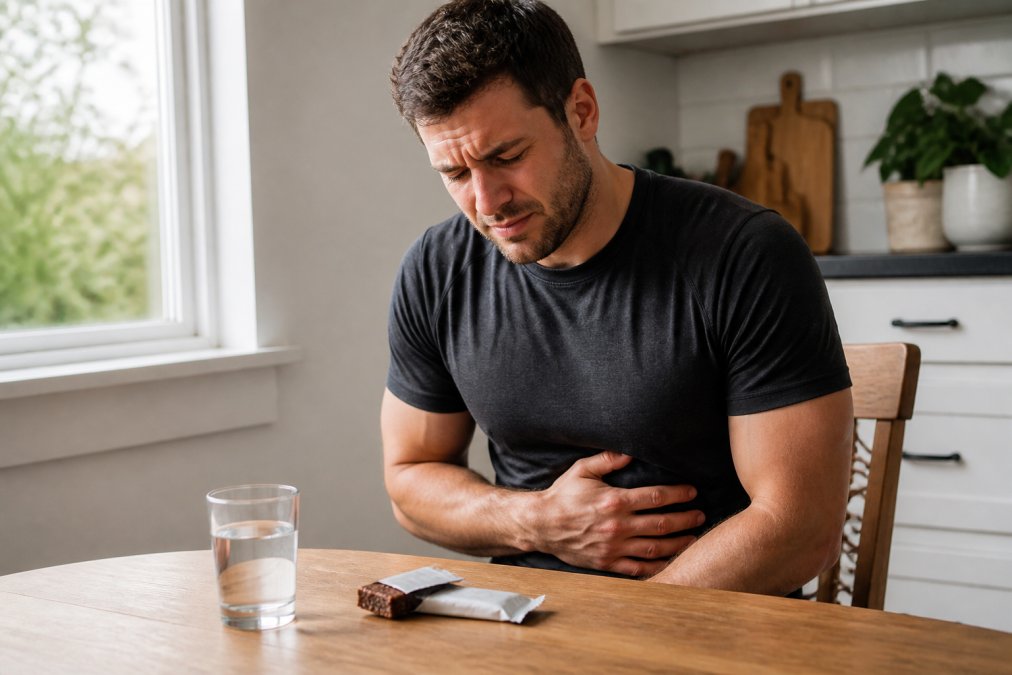
Most people blame bloating on overeating or food sensitivities. The real culprit, for many people on keto or carnivore diets, is sugar alcohols hiding in the "clean" snacks they trust.
Unlike regular sugar, polyols are not fully absorbed in the small intestine. They pass through largely intact, and that's where things go wrong.
The most common sugar alcohols you'll encounter on ingredient labels include:
- Sorbitol - found in many "sugar-free" gums, candies, and protein bars
- Xylitol - widely used in dental products and low-carb snacks
- Maltitol - extremely common in "keto-friendly" chocolate and bars
- Erythritol - generally better tolerated, but still problematic in large amounts
Maltitol is the worst offender. It has a high glycemic index for a sugar alcohol and causes significant gastrointestinal distress at modest doses. Many keto products lean on it because it's cheap and tastes close to sugar, a bad trade-off for your gut.
How Malabsorption Triggers Fermentation
The small intestine lacks the enzymes needed to fully break down most polyols. When these undigested molecules reach the large intestine, gut bacteria treat them as a food source. The fermentation process produces hydrogen and methane gas, causing bloating, flatulence, and abdominal pain.
This fermentation is dose-dependent. A small amount might pass without symptoms. Double that dose and the reaction can be severe. Most people never connect the symptom to the snack they ate two hours earlier.
The Osmotic Effect and Why It Causes Diarrhea
Sugar alcohols that remain unabsorbed in the intestinal lumen draw water into the gut through osmosis. This influx of water loosens stool consistency and accelerates intestinal transit, resulting in loose stools or diarrhea.
Sorbitol is particularly aggressive in this regard. It's used clinically as a laxative at higher doses, which tells you everything about what it does to your digestive tract when consumed regularly through food. Many people self-diagnosing "keto diarrhea" are actually experiencing sorbitol or maltitol toxicity from their protein bars and sugar-free treats.
Why Artificial Sweeteners Cause Bloating: The Science Behind It
Why artificial sweeteners cause bloating isn't a single-mechanism story. It's a convergence of fermentation, osmotic pressure, microbiome disruption, and individual sensitivity that hits different people in different ways.
High-intensity sweeteners like aspartame, sucralose, and saccharin don't cause fermentation the way sugar alcohols do. Their bloating mechanism is more indirect, operating through changes to gut bacteria composition and, in some individuals, an amplified digestive response that alters motility.
FODMAPs, Gut Bacteria, and Visceral Sensitivity
FODMAPs are fermentable oligosaccharides, disaccharides, monosaccharides, and polyols. Sugar alcohols are explicitly included in the FODMAP category, which is why a low-FODMAP diet is one of the primary dietary interventions for IBS. As documented in Monash University FODMAP research and dietary guidance, polyols like sorbitol and mannitol are among the highest-impact FODMAP triggers for gastrointestinal distress.
Sucralose presents a different problem. Research has suggested that regular sucralose consumption may alter gut microbiome composition, reducing populations of beneficial microbes. A disrupted microbiome means reduced production of digestive enzymes and short-chain fatty acids, both of which affect how efficiently food is processed.
Visceral sensitivity is the key variable that determines whether someone experiences mild discomfort or debilitating abdominal pain from the same sweetener dose. People with IBS have a lower pain threshold in the gut.
The Dose-Response Threshold Most People Don't Know About
Sweetener-induced bloating is dose-dependent, and the threshold varies by compound and by individual.
Erythritol is generally considered the most gut-friendly sugar alcohol because most of it is absorbed in the small intestine before reaching the colon. But consume enough of it and the fermentation and osmotic effects still appear. The threshold is just higher than with sorbitol or maltitol.
This dose-response relationship explains why someone can eat one keto protein bar without symptoms but eat two and spend the afternoon in discomfort. Tracking total daily sweetener intake across all food sources is the only way to accurately identify your personal threshold.
Symptoms of Artificial Sweetener Intolerance to Watch For
Symptoms of artificial sweetener intolerance follow a recognizable pattern, though the timing and severity vary.
The most common presentation includes:
- Bloating and abdominal distention - often appearing 30 to 90 minutes after consumption
- Flatulence - a direct result of colonic fermentation producing gas
- Abdominal pain or cramping - more severe in individuals with IBS or elevated visceral sensitivity
- Diarrhea or loose stools - driven by the osmotic effect of unabsorbed polyols
- Nausea - less common but reported with high doses of certain sweeteners
- Altered bowel habits - including urgency and unpredictable timing
A common mistake is attributing these symptoms to other foods consumed at the same meal. Keeping a food and symptom diary for two weeks, noting all sweetener-containing products, is the most reliable diagnostic approach short of formal clinical testing.
Hidden Sweeteners in 'Healthy' Foods That Wreck Your Gut
The "health halo" around keto, low-carb, and sugar-free products has created a market flooded with products that are technically low in sugar but loaded with gut-disrupting polyols and high-intensity sweeteners. Maltitol is the most egregious offender because it's cheap, widely available, and tastes convincingly like sugar. It shows up in keto chocolates, protein bars, meal replacement shakes, and even some electrolyte products.
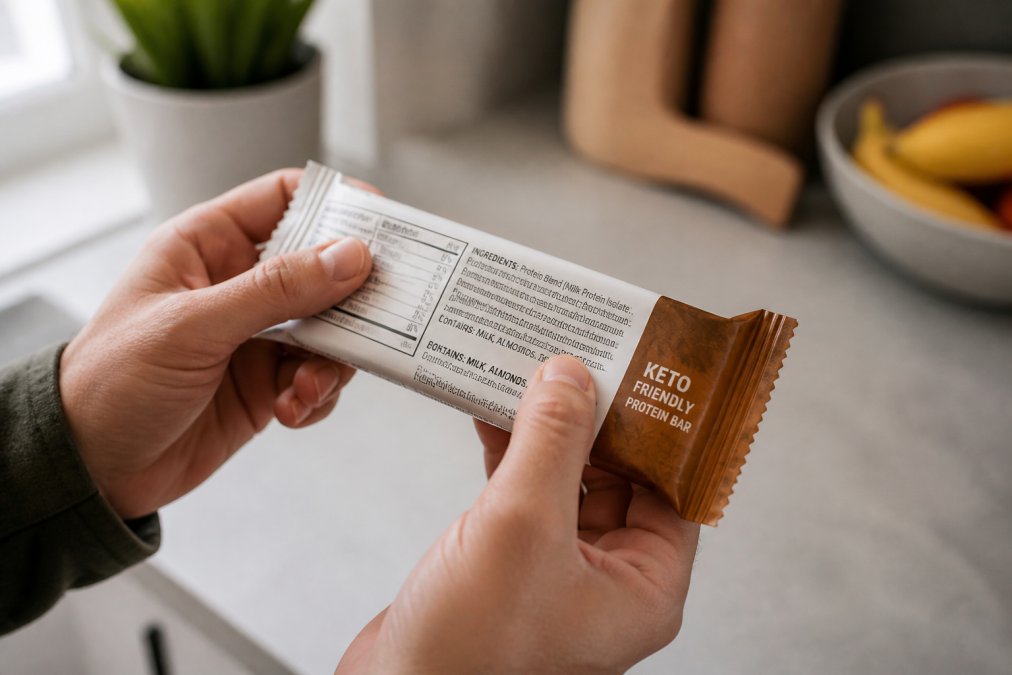
The ingredient label tells the truth, but you have to know what you're reading. Sugar alcohols are required to be listed on the nutrition facts panel under "Total Carbohydrate," but the specific type is only disclosed in the ingredients list. Many consumers scan for "sugar" and miss the sorbitol, maltitol, or xylitol listed several ingredients down.
Products to scrutinize carefully include:
- Protein bars and meal replacement bars marketed as keto or low-carb
- Sugar-free gum and mints
- "Diet" or "light" yogurts and ice creams
- Low-carb baked goods and protein cookies
- Sugar-free sauces, dressings, and condiments
- Certain electrolyte powders and hydration drinks
The electrolyte category deserves particular attention. Many electrolyte products marketed to athletes and keto dieters use stevia, sucralose, or maltitol to improve palatability. One of our customers, @Wilder, noted exactly this: "Most Electrolyte supplements are full of sugar, stevia..." That observation reflects a real pattern across the category.
How to Reduce Bloating from Processed Foods
Knowing how to reduce bloating from processed foods starts with elimination, not supplementation. No probiotic or digestive enzyme will fully compensate for a daily load of maltitol and sorbitol.
The practical framework:
| Step | Action | Timeline |
|---|---|---|
| 1. Identify | Audit all packaged foods for sweetener content | Day 1-3 |
| 2. Eliminate | Remove high-FODMAP sweetener sources entirely | Day 3-7 |
| 3. Reintroduce | Test individual sweeteners one at a time, low dose | Week 2-4 |
| 4. Establish threshold | Note the dose at which symptoms appear for each compound | Week 4-6 |
| 5. Maintain | Build a personal "safe" food list based on your thresholds | Ongoing |
Digestive enzymes can provide modest support during reintroduction phases. Some people find that taking an enzyme supplement containing alpha-galactosidase before consuming polyol-containing foods reduces symptom severity. Hydration matters too. The osmotic effect of sugar alcohols is worsened by dehydration. Maintaining adequate fluid and electrolyte intake supports normal intestinal transit and can reduce the severity of osmotic diarrhea when accidental sweetener exposure occurs.
Gut Microbiome Recovery After Cutting Sweeteners
Gut microbiome recovery after eliminating artificial sweeteners is real, but it takes longer than most people expect.
Chronic exposure to high-intensity sweeteners like sucralose has been associated in research with shifts in microbial populations, particularly reductions in beneficial Lactobacillus and Bifidobacterium species. According to National Institutes of Health research on gut microbiome and dietary compounds, dietary changes can produce measurable shifts in microbiome composition within days, though full recovery of disrupted populations can take weeks to months.
Practical steps to support microbiome recovery:
- Prioritize whole, unprocessed foods - animal proteins, organ meats, and non-sweetened vegetables provide substrates that support beneficial bacteria without feeding fermentation cycles
- Eliminate all artificial sweeteners for a minimum of four weeks before attempting reintroduction testing
- Focus on electrolyte balance - a disrupted gut often reflects broader mineral imbalances that compound digestive dysfunction
- Avoid replacing one sweetener with another during the elimination phase; the goal is a complete reset
Artificial Sweeteners Bloating: Which Sweeteners Are the Worst Offenders
Not all sweeteners are equally disruptive. Understanding the hierarchy helps you make smarter choices rather than avoiding everything indefinitely.
| Sweetener | Type | Bloating Risk | Primary Mechanism |
|---|---|---|---|
| Maltitol | Sugar alcohol | Very High | Fermentation + osmotic effect |
| Sorbitol | Sugar alcohol | Very High | Osmotic effect + fermentation |
| Xylitol | Sugar alcohol | High | Fermentation in colon |
| Aspartame | High-intensity | Moderate | Motility changes, individual sensitivity |
| Sucralose | High-intensity | Moderate | Microbiome disruption |
| Stevia | Natural high-intensity | Low-Moderate | Individual sensitivity varies |
| Erythritol | Sugar alcohol | Low | Mostly absorbed before colon |
| Monk fruit (luo han guo) | Natural high-intensity | Low | Minimal gut impact reported |
The practical takeaway: maltitol and sorbitol are the compounds most reliably associated with artificial sweeteners bloating and should be avoided by anyone with digestive sensitivity. Erythritol and monk fruit are the best-tolerated options when some sweetness is genuinely necessary.
Stevia sits in an interesting middle ground. Many people tolerate it well. Others, particularly those with heightened visceral sensitivity or IBS, report bloating and abdominal discomfort even at low doses. The honest answer for anyone whose digestive distress is affecting their daily life: the safest approach is to remove all of them and establish a clean baseline. From there, individual testing tells you what your gut can actually handle.
According to FDA overview of high-intensity sweeteners and food additives, approved sweeteners have been evaluated for general safety, but gastrointestinal tolerance at individual levels is not part of that evaluation framework. Regulatory approval doesn't mean digestive compatibility, and that distinction matters for anyone managing chronic bloating or IBS.
Digestive distress from artificial sweeteners is predictable, dose-dependent, and entirely avoidable once you know what to look for. The challenge is that the packaged food industry has made sweeteners nearly impossible to escape without reading every label carefully. Carnivore Solutions Inc was built for exactly this problem: our electrolyte powders contain no artificial sweeteners, no stevia, no fillers, and no hidden polyols, just five key electrolytes in a clean, smooth formula that supports hydration without wrecking your gut. If you're done guessing what's causing your bloating, start with products you can actually trust. Shop Electrolytes and fuel clean.
Frequently Asked Questions
Q: What artificial sweetener doesn't cause bloating?
A: Erythritol is generally the best-tolerated sugar alcohol because most of it absorbs in the small intestine before reaching the colon, leaving little for gut bacteria to ferment. Monk fruit (luo han guo) and pure stevia leaf extract also tend to cause minimal gastrointestinal distress for most people. That said, individual tolerance varies. Some people with irritable bowel syndrome or heightened visceral sensitivity react even to these. The safest approach is to avoid sweeteners entirely and choose products with no artificial sweeteners at all.
Q: Do sugar alcohols cause more bloating than artificial sweeteners?
A: Generally, yes. Sugar alcohols like sorbitol, xylitol, and maltitol are classified as FODMAPs and are poorly absorbed in the small intestine. When they reach the colon, gut bacteria ferment them, producing gas and triggering bloating, flatulence, and abdominal pain. High-intensity sweeteners like aspartame and sucralose don't ferment the same way, but research suggests they can still disrupt gut microbiome balance and alter bowel habits over time. For people with IBS or sweetener sensitivity, both categories can cause problems.
Q: What are the symptoms of too much artificial sweetener?
A: Common symptoms of artificial sweetener intolerance include bloating, abdominal distention, flatulence, diarrhea, and abdominal pain. Some people also report nausea and changes in bowel habits after consuming products with sorbitol, maltitol, or sucralose. In individuals with irritable bowel syndrome, even small amounts can trigger significant gastrointestinal distress. Headaches and cravings are sometimes reported with high-intensity sweeteners like aspartame, though the digestive symptoms are the most consistent and well-documented complaints.
Q: How long does it take for sweetener-related bloating to go away?
A: For most people, acute bloating from a single serving of sugar alcohols or polyols clears within 24 to 48 hours once the compounds pass through the digestive tract. If you've been consuming artificial sweeteners regularly, gut microbiome disruption can take longer to resolve. Many people notice a meaningful improvement in bloating and bowel habits within one to two weeks of eliminating sweeteners from their diet. Supporting gut recovery with whole, unprocessed foods accelerates that timeline for most individuals.