Buy Grass-Fed Beef Jerky Online: Top Picks 2026
Table of Contents
- What to Look for When You Buy Grass-Fed Beef Jerky Online
- How to Verify Grass-Fed Beef Labels Before You Buy
- Grass-Fed vs Grain-Fed Beef Jerky: Nutritional Differences That Matter
- Top Grass-Fed Beef Jerky Brands Compared
- Sugar-Free Beef Jerky: Why It Matters for Keto and Carnivore Diets
- Storage, Shelf Life, and Bulk Ordering Tips
- Regenerative Agriculture and Sustainability: Why Sourcing Matters
- Frequently Asked Questions
Last Updated: September 1, 2026
Grass-fed beef jerky delivers on its label claims when you know what to look for. At Carnivore Solutions Inc, we've spent considerable time sourcing and testing options because our customers demand the same zero-filler standard in their jerky that they expect from their electrolytes. The difference between clean-label, pasture-raised products and conventionally processed bags with hidden sugars and fillers is significant, both nutritionally and metabolically.
This guide covers how to buy grass-fed beef jerky online without getting burned by misleading labels, which brands are worth your money in 2026, and the nutritional differences that matter for keto and carnivore dieters.
Quick Picks:
- Best Overall: Carnivore Solutions Inc, zero filler, 100% grass-fed, made in the USA
- Best for Dietary Compliance: Chomps, Whole30, Keto Certified, and Paleo in one stick
- Best Unique Texture: Ayoba-Yo Biltong, air-dried for over 14 days, nothing like standard jerky
- Best Spice Profile: PREVAIL Beef Jerky, nontraditional blend that actually works
What to Look for When You Buy Grass-Fed Beef Jerky Online
The label is your only defense when buying jerky online. Once you know which signals matter, filtering out junk takes about 30 seconds per product.
The most important distinction is grass-fed and finished versus simply "grass-fed." Cattle that are grass-fed but grain-finished spend their final months in feedlots eating corn and soy, substantially changing fat composition and reducing the omega-3 advantage that makes grass-fed beef nutritionally superior. Always look for "grass-fed and finished" or "100% grass-fed" on the label.
Beyond sourcing, check for these non-negotiables:
- Antibiotic-free and hormone-free
- Nitrate-free and nitrite-free
- Soy-free and gluten-free
- Non-GMO
- Short ingredient list (beef, salt, spices, and little else)
Processing Methods and Clean Label Standards
Traditional low-temperature dehydration preserves more naturally occurring amino acids and nutrients than high-heat processing. Biltong, a South African style using air-drying over extended periods, produces a distinctly different texture and avoids many preservatives found in standard jerky. Small-batch production tends to use fresher materials and fewer industrial additives.
The USDA Food Safety and Inspection Service regulates beef jerky processing standards, including moisture-to-protein ratios and temperature requirements. According to USDA Food Safety and Inspection Service jerky guidelines, proper processing ensures pathogen reduction without requiring chemical preservatives when temperature and time parameters are followed correctly.
Jerky Texture Guide: Whole Muscle vs. Formed vs. Biltong
| Texture Type | Production Method | Chew Level | Best For |
|---|---|---|---|
| Whole Muscle Jerky | Cut from intact beef, dehydrated | Firm to very chewy | Traditional jerky lovers |
| Formed/Processed Sticks | Ground beef, extruded into stick shape | Soft, uniform | On-the-go convenience |
| Biltong | Air-dried whole muscle, no heat | Tender, almost steak-like | Clean-label purists |
Whole muscle jerky is the most protein-dense and hardest to fake with inferior cuts. Formed sticks are convenient but can mask lower-quality beef. Biltong is sugar-free by tradition, air-dried rather than heat-dehydrated, with a tender texture that surprises most first-timers.
How to Verify Grass-Fed Beef Labels Before You Buy
"Natural," "pasture-raised," and even "grass-fed" carry different regulatory weight. The USDA's grass-fed marketing claim requires continuous pasture access during the growing season, but enforcement varies. The most reliable signals are recognized third-party certifications:
- American Grassfed Association (AGA) Certified, one of the strictest domestic standards
- Certified Grassfed by A Greener World (AGW), requires 100% grass and forage diet
- USDA Process Verified, government-verified claim
If a brand lacks third-party certification, look for direct sourcing transparency: named farms, state of origin, or auditable supply chains. Genuinely grass-fed brands talk about sourcing in detail because it's a competitive advantage.
Grass-Fed vs Grain-Fed Beef Jerky: Nutritional Differences That Matter
Grass-fed and grain-fed beef jerky differ measurably in fat composition. Grass-fed and finished beef shows a more favorable omega-3 to omega-6 fatty acid ratio compared to grain-finished beef, which accumulates higher omega-6 levels during feedlot finishing. Grass-fed beef is also higher in conjugated linoleic acid, a naturally occurring fatty acid associated with various health benefits.
According to peer-reviewed nutrition research on grass-fed beef composition, pasture-raised beef shows measurable differences in micronutrient content, including higher levels of vitamin E and beta-carotene compared to conventionally raised cattle.
For keto and carnivore dieters, the cleaner fat profile supports metabolic goals. Grass-fed and finished jerky is the better choice for nutrient-dense, low-carb snacking. The premium in price reflects the cost of pasture-based production, not a marketing surcharge.
Top Grass-Fed Beef Jerky Brands Compared
Six brands stand out in 2026 for sourcing integrity, clean ingredients, and dietary compliance.
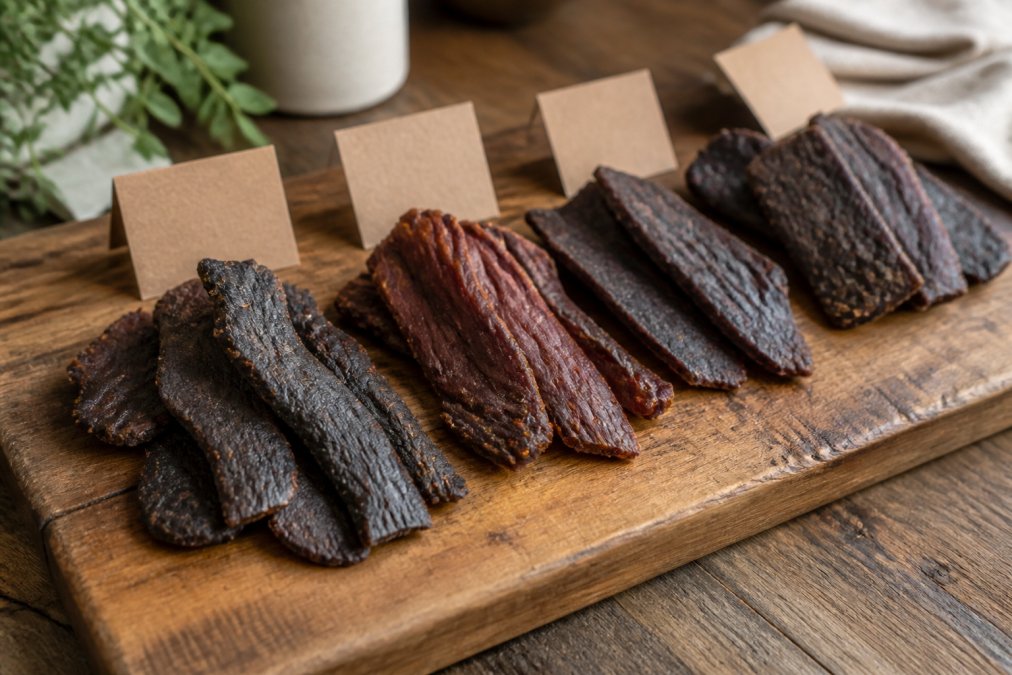
1. Carnivore Solutions Inc - Zero-Filler, 100% Grass-Fed
Carnivore Solutions Inc is our top pick. The standard is set by what's absent: no sugar, no fillers, no artificial sweeteners, no soy. The beef is 100% grass-fed and manufactured domestically for verifiable supply chain transparency.
This jerky is built from the ground up for carnivore and low-carb lifestyles with the same zero-compromise approach applied to the electrolyte line. For athletes and professionals needing a portable, high-protein snack that won't disrupt ketosis or trigger reactions to hidden sweeteners, this removes the guesswork entirely.
Best for: Carnivore and keto dieters who want zero-filler, made-in-USA beef with no ingredient surprises.
2. Chomps Grass-Fed & Finished Beef Sticks
Chomps produces formed beef sticks with 100% grass-fed and grass-finished beef, non-GMO verified, zero sugar and zero carbs per stick. Each stick delivers 10g of protein and carries Whole30, Keto Certified, and Certified Paleo designations simultaneously.
The tradeoff is texture. Formed sticks are convenient and consistent but lack the chew or concentrated protein density of whole muscle jerky. For on-the-go snacking where portability matters most, Chomps is one of the cleaner options available.
Best for: Travelers and busy professionals who need individually wrapped, diet-certified sticks.
3. Country Archer Grass-Fed Beef Jerky
Country Archer makes whole muscle jerky in small batches using real spices and 100% grass-fed beef. Flavor profiles include Original, Mango Habanero, and Zero Sugar options without compromising on nitrate-free, MSG-free, gluten-free standards. Some flavors lean sweet, worth checking if you're strict keto or carnivore. Texture is tender and rich rather than tough.
Best for: Paleo dieters who want flavor variety and tender texture without sacrificing clean-label standards.
4. Nick's Sticks 100% Grass-Fed Beef Sticks
Nick's Sticks excludes antibiotics, hormones, nitrates, nitrites, artificial colors, MSG, soy, and sugar. The nutritional profile reflects grass-fed and finished sourcing, with higher omega-3 fatty acids and elevated levels of vitamin A, vitamin E, potassium, iron, and zinc compared to standard beef sticks. The price point is higher and flavor variety is limited, but for buyers prioritizing nutritional density and sourcing integrity, it's one of the most thoroughly clean products available.
Best for: Strict dietary followers who want the most nutrient-dense, certified-clean beef stick regardless of cost.
5. Ayoba-Yo Biltong
Ayoba-Yo produces traditional South African biltong using 100% grass-fed beef air-dried for over 14 days with no heat, no sugar, minimal ingredients. The result is a tender, almost steak-like texture. The sugar-free, all-natural formulation makes it naturally keto and Whole30 compatible. Growth hormones and antibiotics are excluded.
Biltong's softer texture and higher moisture content mean shorter shelf life once opened. Plan accordingly if buying in bulk.
Best for: Clean-label purists who want a tender, sugar-free, air-dried alternative to standard dehydrated jerky.
6. PREVAIL Beef Jerky
PREVAIL uses 100% grass-fed and finished beef with a nontraditional spice blend featuring garlic, matcha, ginger, and coconut vinegar. The product is gluten-free, soy-free, paleo, and keto certified, with no nitrates, added hormones, or antibiotics. Nontraditional flavors are either a selling point or dealbreaker depending on palate. A subscription discount is available.
Best for: Health-conscious buyers who want clean sourcing paired with unconventional flavor.
| Brand | Beef Sourcing | Sugar-Free | Certifications | Texture Type |
|---|---|---|---|---|
| Carnivore Solutions Inc | 100% Grass-Fed, Made in USA | Yes | Clean label, zero filler | Whole muscle |
| Chomps | Grass-Fed & Finished, Non-GMO | Yes | Whole30, Keto, Paleo | Formed stick |
| Country Archer | 100% Grass-Fed | Zero Sugar option | Gluten-Free, Paleo | Whole muscle |
| Nick's Sticks | Grass-Fed & Finished | Yes | Keto, Paleo, Whole30 | Formed stick |
| Ayoba-Yo | 100% Grass-Fed | Yes | Whole30, Keto compatible | Biltong (air-dried) |
| PREVAIL | Grass-Fed & Finished | Yes | Gluten-Free, Keto, Paleo | Whole muscle |
Sugar-Free Beef Jerky: Why It Matters for Keto and Carnivore Diets
Sugar-free beef jerky is a functional requirement for anyone following ketogenic or carnivore protocols. Most conventional beef jerky contains added sugars, corn syrup, or honey in the marinade. Even small amounts can disrupt ketosis and spike insulin.
The problem is compounded by labeling ambiguity. A product can list "0g sugar" per serving while still containing sugar-derived ingredients. Teriyaki-style and sweet-and-spicy flavors are the most common offenders. Read the full ingredient list, not just the nutrition facts panel.
For carnivore dieters, the standard is stricter: no sweeteners of any kind, including stevia, erythritol, or monk fruit. Many "keto-friendly" products still use these sugar alcohols, which some carnivore followers find problematic for gut tolerance. Carnivore Solutions Inc excludes all artificial sweeteners, not just sugar.
Storage, Shelf Life, and Bulk Ordering Tips
Commercially produced, properly dehydrated beef jerky typically remains shelf-stable for several months to over a year when stored unopened in a cool, dry location. Once opened, the window shortens considerably.
Best practices:
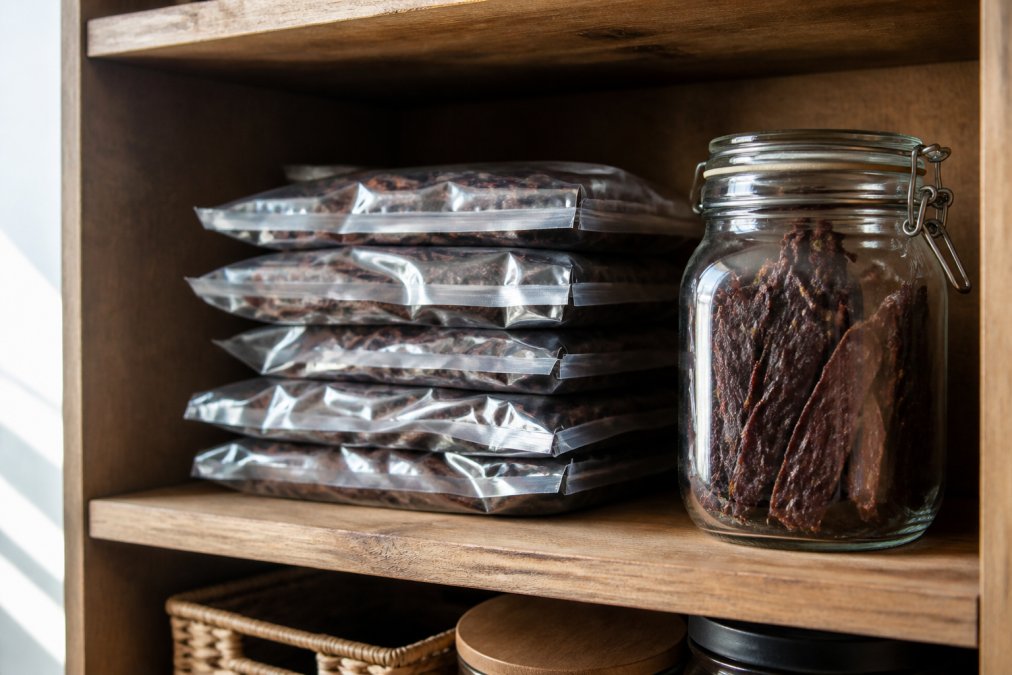
- Store unopened bags away from direct sunlight and heat sources
- Once opened, consume within one to two weeks or transfer to an airtight container
- Refrigeration extends post-opening shelf life but can affect texture, particularly for biltong
- Vacuum-sealed bulk packaging maintains freshness longer than standard resealable bags
Biltong requires more careful handling due to higher moisture content. Keep it refrigerated after opening and consume within a week.
For bulk ordering, larger quantities reduce per-unit cost and reorder frequency. Check whether bulk packs use the same packaging integrity as single units; some brands downgrade packaging for value packs, affecting shelf life.
According to USDA guidelines on shelf-stable meat product storage, commercially produced jerky stored under proper conditions maintains safety and quality within the timeframes printed on the packaging.
Regenerative Agriculture and Sustainability: Why Sourcing Matters
Regenerative agriculture describes specific farming practices that actively restore soil health, increase biodiversity, and sequester carbon. For grass-fed beef, pasture-based cattle operations with managed rotational grazing are core components of regenerative systems.
Not all grass-fed operations are regenerative. A cattle operation can meet grass-fed labeling requirements while still overgrazing fixed pastures and degrading topsoil. Genuinely regenerative sourcing involves managed rotational grazing, no synthetic inputs on pasture, and long-term land stewardship commitments.
The most reliable indicator of regenerative sourcing is third-party certification from organizations like the Regenerative Organic Alliance certification standards or the American Grassfed Association. Brands that source from regenerative operations typically say so explicitly and can name the farms or ranches involved.
Cattle raised on diverse pasture grasses produce meat with a more complex micronutrient profile than animals finished in confinement on uniform grain diets. For buyers who care about both their own health outcomes and long-term food system viability, prioritizing regenerative and pasture-raised sourcing is the most coherent position.
Choosing the right grass-fed beef jerky online comes down to sourcing verification, ingredient transparency, and matching the product to your specific dietary requirements. For carnivore and keto dieters who refuse to compromise on clean-label standards, the options are better in 2026 than ever before. Carnivore Solutions Inc delivers zero-sugar, zero-filler, 100% grass-fed beef jerky made in the USA, alongside a full electrolyte line built on the same no-nonsense principles. Get started with Carnivore Solutions Inc and fuel your training with ingredients you can actually verify.
Frequently Asked Questions
How can you tell if beef jerky is truly grass-fed?
Check for third-party certifications such as the American Grassfed Association (AGA) seal or a USDA Process Verified claim on the label. These require audited documentation of feeding practices. 'Grass-fed' without a certification is a marketing claim with no mandatory verification behind it. Also look for 'grass-fed and finished' language, cattle finished on grain lose many of the nutritional advantages associated with grass-fed beef jerky.
Is grass-fed beef jerky healthy?
Grass-fed beef jerky is a protein-dense, shelf-stable snack with a cleaner nutritional profile than conventional jerky. It delivers amino acids and higher levels of omega-3 fatty acids compared to grain-fed beef. For keto, carnivore, and paleo-friendly diets, the key is choosing a nitrate-free, sugar-free option with no fillers, soy, or artificial preservatives. Sodium content varies by brand, so check the label if you are monitoring intake.
Does grass-fed beef jerky contain nitrates?
Many grass-fed beef jerky brands are nitrate-free by design, using sea salt and natural spices instead of sodium nitrite as a preservative. Always read the ingredient list, some products labeled 'no added nitrates' still use celery powder, which contains naturally occurring nitrates. If avoiding all nitrates is a priority, look specifically for brands that list no celery-derived ingredients alongside their nitrate-free claim.
What makes sugar-free beef jerky better for low-carb diets?
Conventional beef jerky often contains brown sugar, honey, or high-fructose corn syrup, which adds carbohydrates that break ketosis and spike blood sugar. Sugar-free beef jerky eliminates these additives entirely, keeping net carbs at or near zero per serving. For anyone following a strict carnivore or ketogenic diet, sugar-free is non-negotiable, even small amounts of added sugar can disrupt metabolic goals when consumed daily as a snack.
What is the best way to store grass-fed beef jerky bought in bulk?
Unopened, commercially sealed grass-fed beef jerky is shelf-stable and typically lasts 12 months or more when stored in a cool, dry place away from direct sunlight. Once opened, transfer to an airtight container and consume within one to two weeks for best texture and flavor. For longer storage after opening, vacuum-sealing individual portions and refrigerating extends freshness significantly without affecting the protein-dense nutritional profile.