Are Processed Meats Bad for Health? What the Science Shows
Table of Contents
- What Counts as Processed Meat
- The Health Risks: Cancer, Heart Disease, and Diabetes
- Nitrates and Nitrites in Meat: What They Do
- How to Identify Hidden Fillers in Meat Products
- Clean Eating Meat Guidelines and Safer Choices
- The Nuance: Processing Methods Matter
- What You Can Do Right Now
- Frequently Asked Questions
Last Updated: October 1, 2026
What Counts as Processed Meat
Processed meat is any meat that's been preserved through salting, curing, smoking, or the addition of chemical preservatives. This includes deli meats, sausages, bacon, hot dogs, canned meats, and some beef jerky products. The key distinction isn't whether something tastes good or comes from a recognizable animal, it's the processing method itself.

The World Health Organization classifies processed meat based on how it's manufactured. If salt, nitrates, nitrites, or smoke have been applied to extend shelf life or enhance flavor, it's processed. Ground meat that's been mixed with fillers, binders, or additives also falls into this category. Fresh ground beef or a whole steak doesn't count, even if you season it at home.
Understanding this distinction matters because processing methods introduce compounds that don't exist in fresh meat. When you know what counts as processed, you can make informed choices about what enters your body, especially if you're following a strict carnivore or low-carb diet where ingredient transparency is non-negotiable.
The Health Risks: Cancer, Heart Disease, and Diabetes
Are processed meats bad for health? The scientific evidence suggests yes, with consistent links to three major chronic diseases. The concern isn't theoretical, it's based on decades of epidemiological studies tracking dietary patterns and health outcomes in large populations.
Colorectal and Bowel Cancer Risk
Colorectal cancer risk increases with regular processed meat consumption. The mechanisms appear to involve N-nitroso compounds, which form when nitrates and nitrites interact with stomach acid and amino acids. These compounds can damage the DNA lining your colon, initiating the cellular changes that lead to cancer.
The risk isn't uniform across all consumption levels. Occasional consumption carries minimal risk. Regular intake, defined as several servings per week, shows a measurable elevation in colorectal cancer rates. Stomach cancer and bowel cancer also show associations with processed meat consumption, though the colorectal link is strongest.
This is why identifying hidden fillers and additives matters. The more processed meat you consume, the more exposure you have to these compounds. For those committed to clean eating, understanding your meat sources becomes essential.
Cardiovascular Disease and Mortality
Processed meat consumption correlates with cardiovascular disease and early mortality. The culprits are multiple: high sodium content, saturated fat, and the preservatives themselves. Sodium nitrate and sodium nitrite, common in cured meats, can damage blood vessel function and increase blood pressure.
The heme iron in processed meat, especially when combined with preservatives, may also contribute to oxidative stress and inflammation in your cardiovascular system. This chronic inflammation is a known risk factor for heart disease, stroke, and metabolic dysfunction.
Regular consumption of processed meats shows associations with increased cardiovascular mortality rates. The relationship is dose-dependent, meaning higher intake correlates with higher risk. This is particularly important for athletes and fitness enthusiasts who might consume high-protein snacks without considering the source quality.
Type 2 Diabetes and Metabolic Health
Type 2 diabetes risk increases with processed meat intake. The mechanisms involve both the sodium content and the preservatives themselves. Nitrites can impair pancreatic function, reducing your body's ability to produce insulin effectively. High sodium intake also contributes to insulin resistance.
For those following carnivore or ketogenic diets, this concern is especially relevant. You're already consuming meat as a primary calorie source, which means the quality of that meat directly impacts your metabolic health. Processed options with hidden fillers and preservatives create metabolic stress your body doesn't need.
The good news: clean, unprocessed meat sources don't carry these same risks. Grass-fed beef without additives supports metabolic health rather than compromising it.
Nitrates and Nitrites in Meat: What They Do
Nitrates and nitrites are preservatives added to processed meat to prevent bacterial growth and maintain color. They're effective at their job, they keep meat shelf-stable and visually appealing. The problem is what happens inside your body.
Once ingested, nitrites convert to N-nitroso compounds in your stomach. These compounds are carcinogenic at the cellular level. They don't just pass through your system; they interact with your gut lining and can damage DNA in the cells that line your colon. The conversion process is accelerated by stomach acid and amino acids naturally present in meat, creating a chemical environment where N-nitroso formation is nearly inevitable.
Nitrates themselves aren't inherently dangerous, vegetables contain them naturally, but the context matters. In processed meat, they're combined with proteins and stomach acid in ways that create the problematic N-nitroso compounds. The dose and frequency of exposure determine your actual risk.
How to Reduce N-Nitroso Formation If You Consume Processed Meat
While avoiding processed meat entirely is the safest approach, research shows that certain food pairings and preparation methods can reduce N-nitroso compound formation:
Pair with antioxidant-rich foods. Vitamin C (ascorbic acid) and polyphenols inhibit nitrosamine formation in the stomach. Consuming processed meat alongside citrus, tomatoes, bell peppers, or leafy greens measurably reduces the conversion of nitrites to N-nitroso compounds. A study pattern in nutritional epidemiology shows that individuals who pair processed meats with high-antioxidant foods show lower biomarkers of nitrosamine exposure than those consuming processed meat alone.
Cooking method matters. Pan-frying or boiling processed meats at lower temperatures produces fewer heterocyclic amines (HCAs) and polycyclic aromatic hydrocarbons (PAHs), additional carcinogenic compounds formed during high-heat cooking. Charring or smoking meat at very high temperatures accelerates carcinogen formation. Steaming or poaching processed meats, while less appetizing, minimizes additional carcinogen production beyond the nitrites already present.
Timing of consumption. Eating processed meat with meals rather than as an isolated snack slows gastric transit and reduces the concentration of nitrites in stomach acid at any given moment, lowering the rate of N-nitroso formation.
Stomach acid pH. Antacids or foods that raise stomach pH (dairy, certain vegetables) can reduce nitrosamine formation, though this effect is modest and not a reliable mitigation strategy on its own.
These strategies don't eliminate the risk, they reduce it. The safest approach remains choosing unprocessed meat sources entirely. But for those who consume processed meats regularly, understanding these mechanisms allows for harm-reduction choices that measurably lower your exposure to carcinogenic compounds.
How to Identify Hidden Fillers in Meat Products
Reading ingredient labels is your first defense. Many processed meats hide fillers behind unfamiliar names. Look for terms like "soy protein isolate," "textured vegetable protein," "corn syrup," or "modified food starch." These are fillers that increase volume while reducing actual meat content.
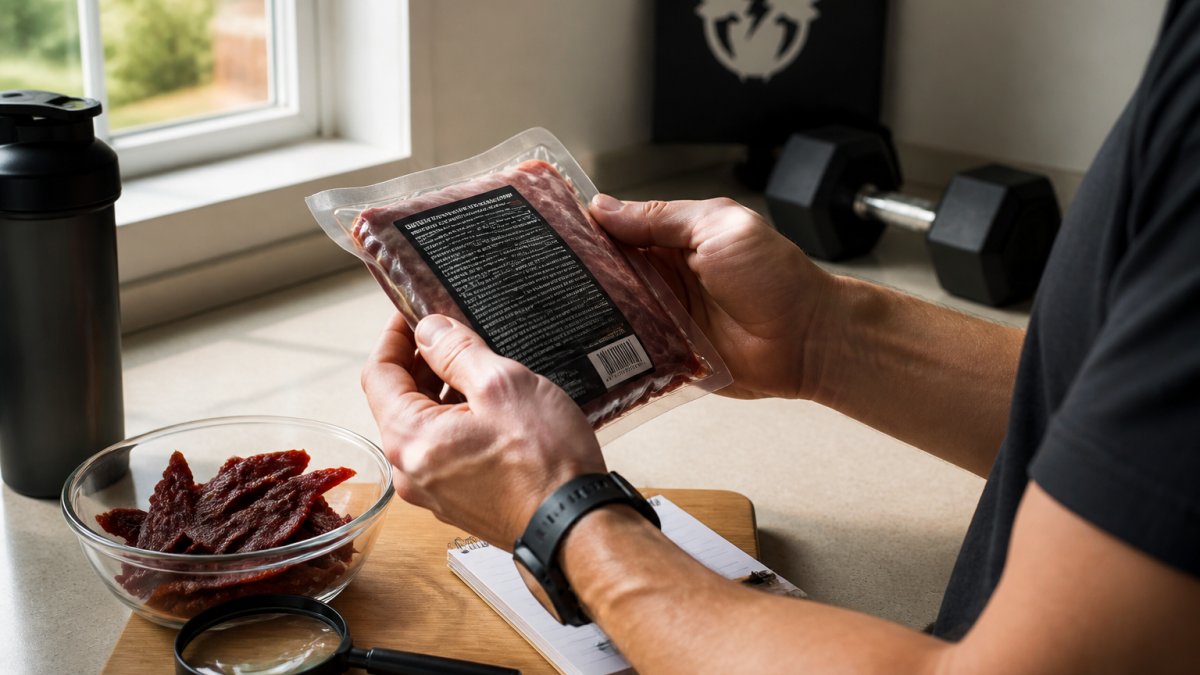
Sodium content is another red flag. Processed meats often contain 300-500mg of sodium per serving, sometimes more. Fresh meat contains minimal sodium naturally. If the sodium is high, preservatives are almost certainly present.
Check for nitrates and nitrites listed as sodium nitrate, sodium nitrite, or potassium nitrate. These are the compounds linked to the health concerns discussed above. If they're on the label, you're getting the problematic compounds.
The ingredient list should be short and recognizable. Grass-fed beef, salt, and perhaps smoke or spices, that's clean. If you can't pronounce an ingredient or don't recognize it, it's likely a filler or preservative you don't need.
For those serious about clean eating, sourcing directly from producers who can verify their practices eliminates guesswork. Carnivore Solutions Inc offers beef jerky made with just grass-fed beef, bone broth, and sea salt, no fillers, no preservatives, no hidden additives. Knowing exactly what you're consuming removes the label-reading burden entirely.

Clean Eating Meat Guidelines and Safer Choices
Clean eating meat guidelines prioritize transparency and minimal processing. The safest choices are whole cuts of fresh meat from grass-fed sources. If you need convenience, look for minimally processed options where the ingredient list is genuinely short.
When selecting processed meat alternatives, prioritize products that use salt and smoke instead of chemical preservatives.
The Nuance: Processing Methods Matter
Not all processing creates equal risk. The critical distinction lies between ultra-processed meats (which rely on synthetic chemical preservatives) and minimally processed meats (which use salt, smoke, or no preservatives). This nuance is largely absent from mainstream health advice, yet it's central to understanding whether processed meat consumption carries the documented health risks.
Ultra-Processed Meats: The High-Risk Category
Minimally Processed Meats: Lower-Risk Alternatives
Minimally processed meats include:
- Salt-cured meats (traditional prosciutto, some country hams) made with salt alone or salt plus smoke, no synthetic nitrates
- Nitrate-free or celery-powder-cured meats where the only preservative is celery powder (which contains naturally occurring nitrates at lower concentrations than synthetic versions)
- Smoked meats prepared using traditional smoking methods without chemical additives
- Home-cured meats where you control the ingredients entirely
The Risk Difference
How to Identify Minimally Processed Meat
What You Can Do Right Now
Start by auditing your current meat sources. Check the labels on processed meats you currently consume. If they contain sodium nitrate, sodium nitrite, or other preservatives you don't recognize, these are candidates for replacement.
Frequently Asked Questions
What is the healthiest processed meat to eat?
Minimally processed meats with no added nitrates, nitrites, or sugar are the safest choice. Look for products with three ingredients or fewer: meat, salt, and optionally bone broth. Grass-fed beef jerky with no preservatives or fillers poses far lower risk than conventional deli meats, bacon, or sausage. The key is choosing meat that's dried or smoked without chemical additives, the processing method matters as much as the ingredient list.
How do nitrates and nitrites in meat affect your body?
Nitrates and nitrites are preservatives that prevent bacterial growth, but your digestive system converts them into N-nitroso compounds, which are carcinogenic. These compounds have been linked to colorectal cancer and bowel cancer in epidemiological studies. The risk increases with regular consumption. Uncured, additive-free meats bypass this conversion entirely, making them a safer option for long-term dietary intake.
Which processed meats should I avoid?
Avoid conventional deli meats, hot dogs, bacon, sausage, and canned meats unless they're labeled nitrate-free and contain no sugar or fillers. Many brands hide carbohydrates, soy, and artificial sweeteners in products marketed as 'clean.' Check the ingredient label for anything beyond meat, salt, and smoke, if you can't pronounce it or don't recognize it, it's likely a filler designed to cut costs and extend shelf life.
Can I eat processed meat on a carnivore or keto diet?
Yes, but only minimally processed options. Grass-fed beef jerky with bone broth and sea salt fits both carnivore and keto lifestyles without compromising your health goals. Avoid products with sugar, artificial sweeteners, soy lecithin, or nitrates. The carnivore diet emphasizes nose-to-tail eating of whole meat; supplementing with clean, additive-free jerky keeps you aligned with that principle while providing portable protein.