Carnivore Diet Essentials: Complete Beginner's Guide
Table of Contents
- What Is the Carnivore Diet and Why It Works
- Carnivore Diet Food List: What to Eat and What to Avoid
- Carnivore Diet Electrolyte Supplements: Managing Hydration and Minerals
- Why Artificial Sweeteners Cause Bloating and Digestive Issues
- Transitioning to Carnivore: The First 30 Days
- Sourcing Quality Meat: Grass-Fed, Pasture-Raised, and Organ Meats
- Long-Term Sustainability: Blood Work, Meal Planning, and Practical Tips
- Frequently Asked Questions
Last Updated: September 27, 2026
What Is the Carnivore Diet and Why It Works
The carnivore diet essentials consist of meat, fish, eggs, and animal-derived foods like bone broth and organ meats, eliminating all plant-based foods. People adopt this diet for metabolic clarity, simplified nutrition, and to eliminate plant compounds that trigger digestive issues.
Carnivore Diet Food List: What to Eat and What to Avoid
Foods to Eat
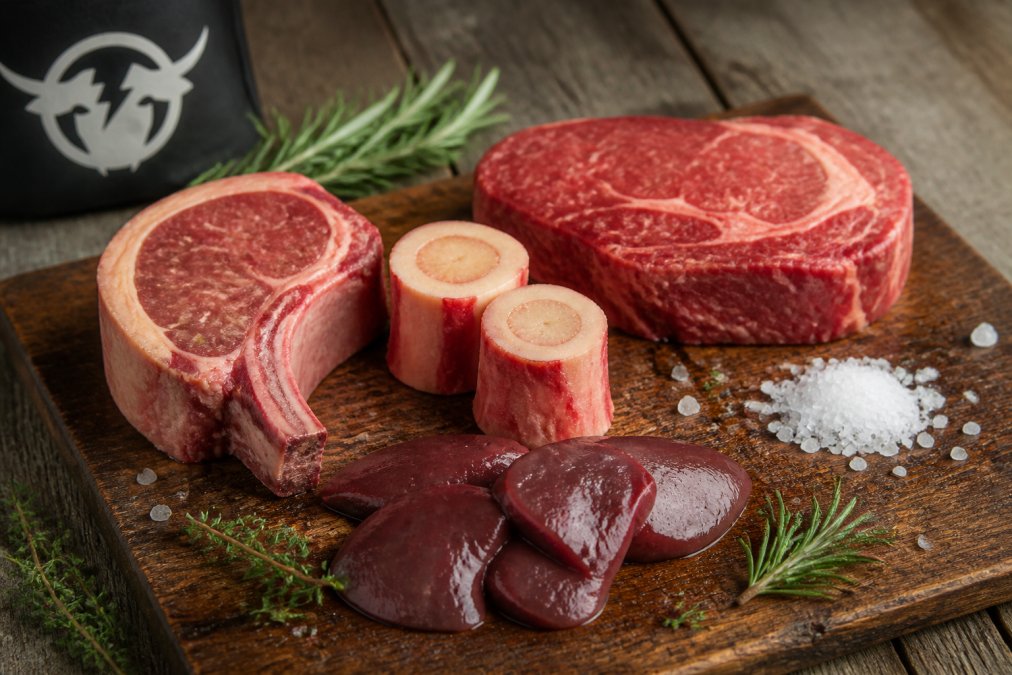
The foundation of carnivore diet essentials is high-quality animal products. Grass-fed beef provides complete nutrition with all essential amino acids. Organ meats, liver, kidney, and bone marrow, deliver exceptional nutrient density that muscle meat alone cannot match.
| Food Category | Best Choices | Frequency |
|---|---|---|
| Beef | Grass-fed, all cuts | Daily |
| Organ Meats | Liver, kidney, bone marrow | 2-3x weekly |
| Fish | Wild-caught salmon, sardines | 2-3x weekly |
| Eggs | Pasture-raised | Daily |
| Bone Broth | Homemade or quality brands | Daily or 3-4x weekly |
| Sea Salt | Unrefined | With each meal |
Foods to Avoid
Eliminate all plant foods: vegetables, fruits, nuts, seeds, grains, and legumes. Avoid seed oils (canola, soybean, sunflower) entirely, they're inflammatory and inconsistent with an animal-based diet.
Carnivore Diet Electrolyte Supplements: Managing Hydration and Minerals
Eliminating carbohydrates increases sodium excretion and reduces mineral retention, creating an electrolyte deficit that food alone may not address during the first 30 days.
Why Electrolytes Matter on Carnivore
Sodium supports nerve function and hydration. Potassium regulates heart rhythm and blood pressure. Magnesium enables enzymatic reactions and supports sleep. Bone broth provides 500-1,000 mg sodium per cup, but supplementation ensures optimal levels if you're active, fasting, or experiencing transition symptoms.
Practical Electrolyte Dosing During Transition
Sodium: Aim for 3,000-5,000 mg daily during the first two weeks. A quarter teaspoon of sea salt contains 575 mg. Dissolve 1-2 teaspoons in water or broth, consumed 2-3 times daily, to resolve fatigue and headaches within 24-48 hours.
Recognizing Electrolyte Deficiency Symptoms
Common signs that you need more electrolytes include:
- Headaches or migraines (often sodium deficiency)
- Muscle cramps or twitching (potassium or magnesium deficiency)
- Fatigue or lethargy (sodium deficiency)
- Irregular heartbeat or palpitations (potassium deficiency)
- Sleep disruption or restlessness (magnesium deficiency)
- Dizziness or lightheadedness (sodium deficiency)
If you experience any of these, increase sodium intake first, this resolves symptoms in most people within hours. If symptoms persist after 48 hours of increased sodium, add a potassium-containing electrolyte drink or supplement.
Food-Based Electrolyte Sources
| Food | Sodium (mg) | Potassium (mg) | Magnesium (mg) | Serving |
|---|---|---|---|---|
| Beef (3 oz) | 55 | 300 | 20 | 3 oz cooked |
| Beef liver (3 oz) | 75 | 380 | 18 | 3 oz cooked |
| Salmon (3 oz) | 50 | 300 | 25 | 3 oz cooked |
| Bone broth (1 cup) | 800-1,200 | 100-200 | 10-20 | 1 cup |
| Sea salt (1/4 tsp) | 575 | 0 | 0 | 1/4 tsp |
| Oysters (3 oz) | 180 | 200 | 30 | 3 oz |
Bone broth simmered for 12-24 hours concentrates minerals effectively. Consuming 1-2 cups daily provides electrolyte support without supplementation.
When to Use Electrolyte Supplements
Use supplements if:
- You're experiencing transition symptoms (fatigue, headaches, cramping) despite adequate food intake
- You're exercising or sweating regularly
- You're fasting for extended periods
- You're traveling and cannot control food sources
- Your blood work shows low potassium or magnesium levels
A balanced electrolyte powder containing sodium (500-1,000 mg), potassium (200-400 mg), and magnesium (100-200 mg) per serving, without added sugars or artificial sweeteners, provides convenient support during the critical first 30 days. Mix into water or broth and consume once or twice daily depending on symptoms.
Why Artificial Sweeteners Cause Bloating and Digestive Issues
Artificial sweeteners present a paradox for carnivores: they're zero-carb, yet they create problems that contradict the diet's core benefit of digestive simplicity. Sucralose, aspartame, and sugar alcohols like erythritol and xylitol aren't metabolized like regular carbohydrates, but they still affect your gut.
Transitioning to Carnivore: The First 30 Days
The transition phase determines long-term adherence. Your body adapts from carbohydrate to fat metabolism, creating temporary "keto flu", fatigue, headaches, irritability, and digestive changes.
Sourcing Quality Meat: Grass-Fed, Pasture-Raised, and Organ Meats
Quality sourcing ensures nutritional completeness. Understanding trade-offs between sourcing options allows you to maximize nutrition within your budget.
Understanding Quality Tiers and Nutritional Differences
Grass-Fed vs. Grain-Finished Beef
Grass-fed beef has higher CLA, better omega-3 to omega-6 ratios (1:3 vs. 1:20 grain-finished), and more fat-soluble vitamins. It's leaner with higher nutrient density per calorie.
Pasture-Raised vs. Conventional Eggs
Wild-Caught vs. Farmed Fish
The Carnivore Starter Bundle →
Organ Meats: The Highest Nutrient Density per Dollar
Organ meats are the most nutrient-dense foods available and often cheaper than muscle meat, highest nutrition at lowest cost.
Budget-Conscious Sourcing Strategy
If you have limited budget, prioritize in this order:
-
Organ meats (any source): Highest nutrition per dollar. Buy whatever is available, beef liver, kidney, heart, or tongue. Sourcing quality matters less here because the nutrient density is exceptional regardless.
-
Eggs (conventional acceptable): Complete protein and choline at low cost. Pasture-raised is preferable but not essential.
-
Beef (grain-finished acceptable): Ground beef is cheaper than steaks. Buy whatever cut fits your budget. Grain-finished beef is nutritionally adequate.
-
Fish (canned wild-caught or farmed): Canned options are shelf-stable and affordable. Farmed is acceptable if wild-caught is unaffordable.
-
Bone broth (homemade): Make your own from bones (often free from butchers) rather than buying prepared broth. This reduces cost to nearly zero while maximizing mineral content.
This approach ensures you're getting complete nutrition on a tight budget. You're not optimizing for the highest quality tier; you're optimizing for nutritional adequacy and consistency.
Where to Source Quality Meat
Local Farms and Farmers Markets: Direct relationships with producers often yield better prices than retail stores. Ask farmers about their practices. Many grass-fed producers offer bulk discounts (buying a quarter or half animal) at 20-30% below retail prices.
Verification and Transparency
Verify sourcing through third-party certifications when possible:
- American Grassfed Association (AGA): Certifies beef raised on pasture without grain supplementation. Look for the AGA label.
- Certified Humane: Verifies animal welfare standards for pasture-raised and cage-free products.
- Wild-Caught Certification: Look for Marine Stewardship Council (MSC) certification on fish to verify sustainable wild-caught sourcing.
Many producers provide documentation of certifications or sourcing practices. Ask for this information before purchasing. Transparency is a sign of quality commitment.
Long-Term Sustainability: Blood Work, Meal Planning, and Practical Tips
Long-term success requires monitoring. Schedule blood work at 3 months, 6 months, and annually to track lipid panels, liver and kidney function, and micronutrient levels.
Frequently Asked Questions
What exactly do I need to start a carnivore diet?
Start with ruminant meats: beef, lamb, and goat as your foundation. Add organ meats like liver for micronutrient density, and include eggs and full-fat dairy if tolerated. Electrolyte supplementation becomes essential during the transition phase to prevent muscle cramps and fatigue. The Carnivore Starter Bundle provides both electrolytes and grass-fed beef jerky to cover your immediate needs without guesswork.
How do carnivore diet electrolyte supplements differ from regular sports drinks?
Standard sports drinks contain sugar and artificial ingredients that spike blood glucose and trigger inflammation. Carnivore-specific electrolyte supplements like Unflavored Electrolytes Powder deliver sodium, potassium, and magnesium without sugar, fillers, or artificial sweeteners. This supports ketosis, maintains muscle function during workouts, and prevents the 'keto flu' during your transition without breaking your metabolic state.
Why should I avoid artificial sweeteners on carnivore?
Artificial sweeteners like aspartame and sucralose trigger insulin responses in some individuals, disrupt gut bacteria, and cause bloating and digestive distress. They also maintain sweet cravings rather than breaking them. On carnivore, your goal is metabolic reset, eating whole foods without additives. Eliminating artificial sweeteners entirely supports stable energy, clearer digestion, and faster adaptation to fat-based fuel.
How long does it take to adapt to a meat-only diet?
Most people experience a 7-14 day adjustment period where energy dips and cravings emerge. Full metabolic adaptation typically takes 4-6 weeks. During this window, electrolyte management is critical, sodium depletion causes fatigue and headaches. Staying consistent with carnivore diet electrolyte supplements and eating to satiety (not restricting calories) accelerates adaptation and reduces transition discomfort significantly.
Can I get all my electrolytes from bone broth alone?
Bone broth provides some sodium and minerals, but the concentration is inconsistent and often insufficient for active individuals or those fasting. Dedicated electrolyte supplements give you precise sodium, potassium, and magnesium ratios needed for muscle function, hydration, and energy stability. If you're training or fasting regularly, supplementation fills the gap that food alone cannot reliably cover.
How do I know if grass-fed beef jerky is actually grass-fed?
Legitimate grass-fed beef jerky should be sourced from verified producers with transparent sourcing. Look for products made in the USA with clear ingredient lists showing only meat, salt, and minimal additives, no fillers, soy, or seed oils. Carnivore Beef Jerky uses 100% grass-fed beef with only bone broth and sea salt, manufactured domestically so you can verify sourcing directly.
What's the best carnivore diet food list for traveling or busy schedules?
Portable options include beef jerky sticks, canned fish, and hard cheeses. The Carnivore Electrolytes Beef Jerky Sticks come in 1-ounce portions, ideal for travel bags and desk drawers. Pair them with unflavored electrolyte powder mixed in water for complete nutrition on the go. This combination delivers sustained energy without requiring meal prep, making carnivore sustainable for busy professionals.